
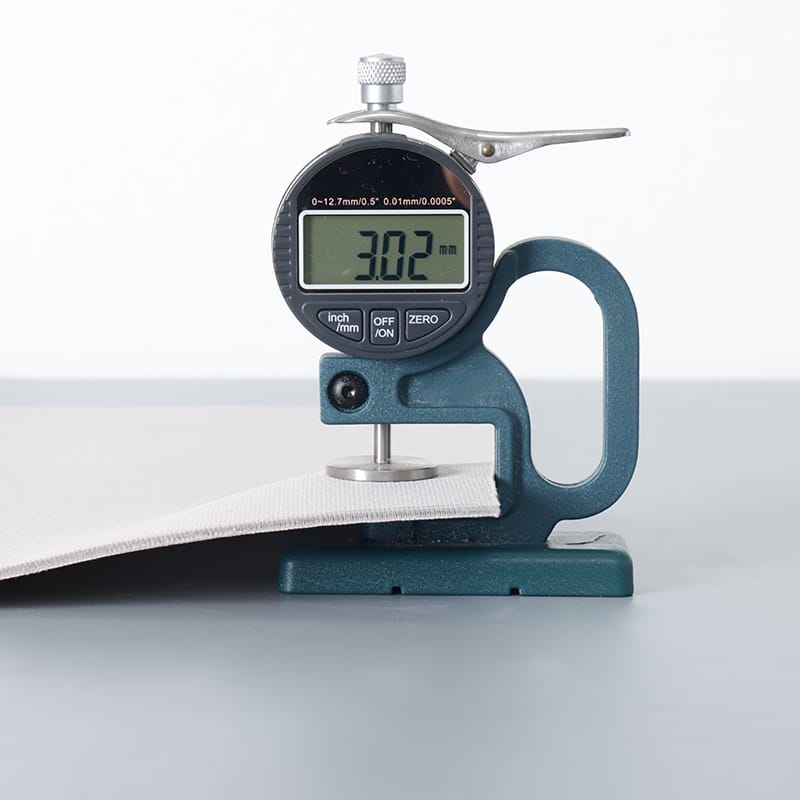
When buyers look for 3D mesh fabric, one of the most common questions is: “Do you have 3mm, 5mm, or 8mm thickness?”
While starting with a specific thickness in mind is natural, evaluating 3D spacer fabric based on this single metric often leads to sampling delays and mismatched product performance. Thickness is simply a dimensional parameter; the ultimate goal is to match the fabric’s breathability, cushioning, support, softness, and manufacturability to your specific end-product.
Why Thickness Matters in 3D Mesh Fabric
3D mesh fabric has a three-dimensional structure, with two surface layers connected by vertical or angled spacer yarns. In 3D mesh fabrics, thickness directly controls the volume of the middle spacer layer.
When the fabric becomes thicker, the internal spacer layer usually becomes more noticeable. This can improve cushioning and support, but it may also affect flexibility, weight, sewing performance, lamination, and cost.
Common 3D Mesh Fabric Thickness Ranges
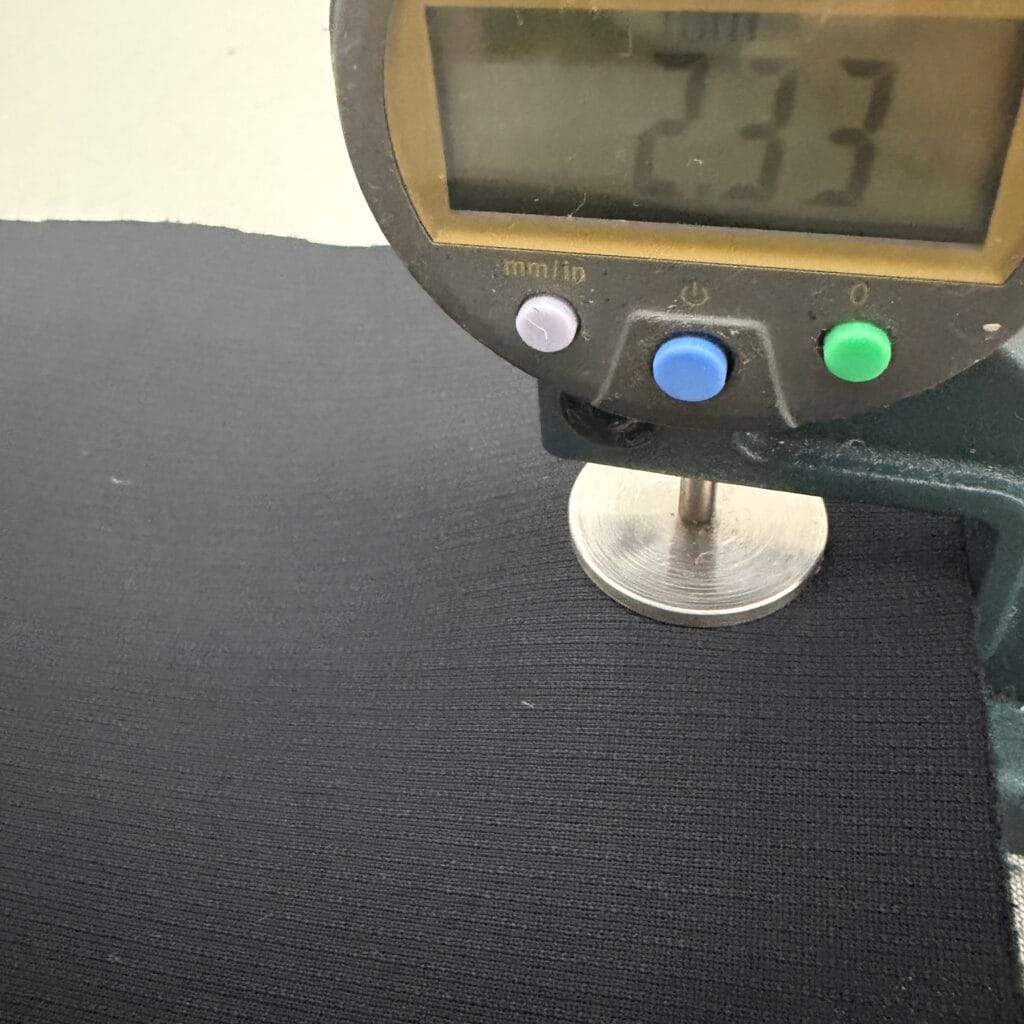
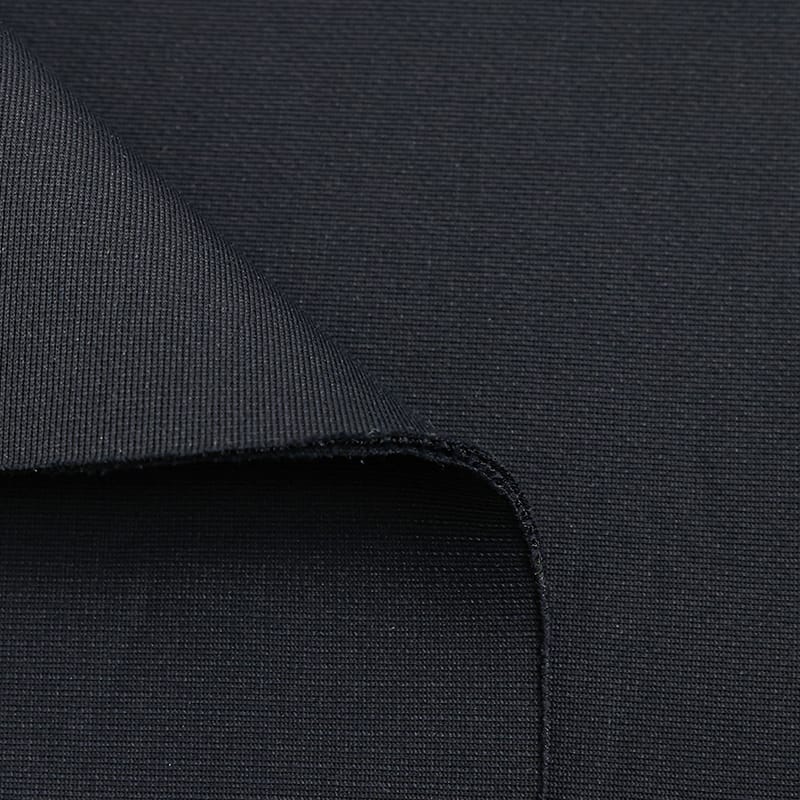
2mm-3mm: Lightweight and Flexible Applications
Thin 3D mesh fabric, usually around 2mm to 3mm, is suitable for shoe uppers, sportswear ventilation panels, bag lining, light protective padding, and breathable garment components.
This thickness range is often chosen when the product needs airflow and flexibility without too much bulk.
3mm-5mm: Balanced Breathability and Cushioning
Medium-thickness 3D mesh fabric, usually around 3mm to 5mm, is one of the most widely used ranges. It provides a balance of breathability, cushioning, flexibility, and production convenience.
This range is commonly used for backpack padding, baby product layers, seat cushions, mattress ventilation layers, protective covers, and general spacer mesh applications.
5mm-8mm: Better Support and Cushioning
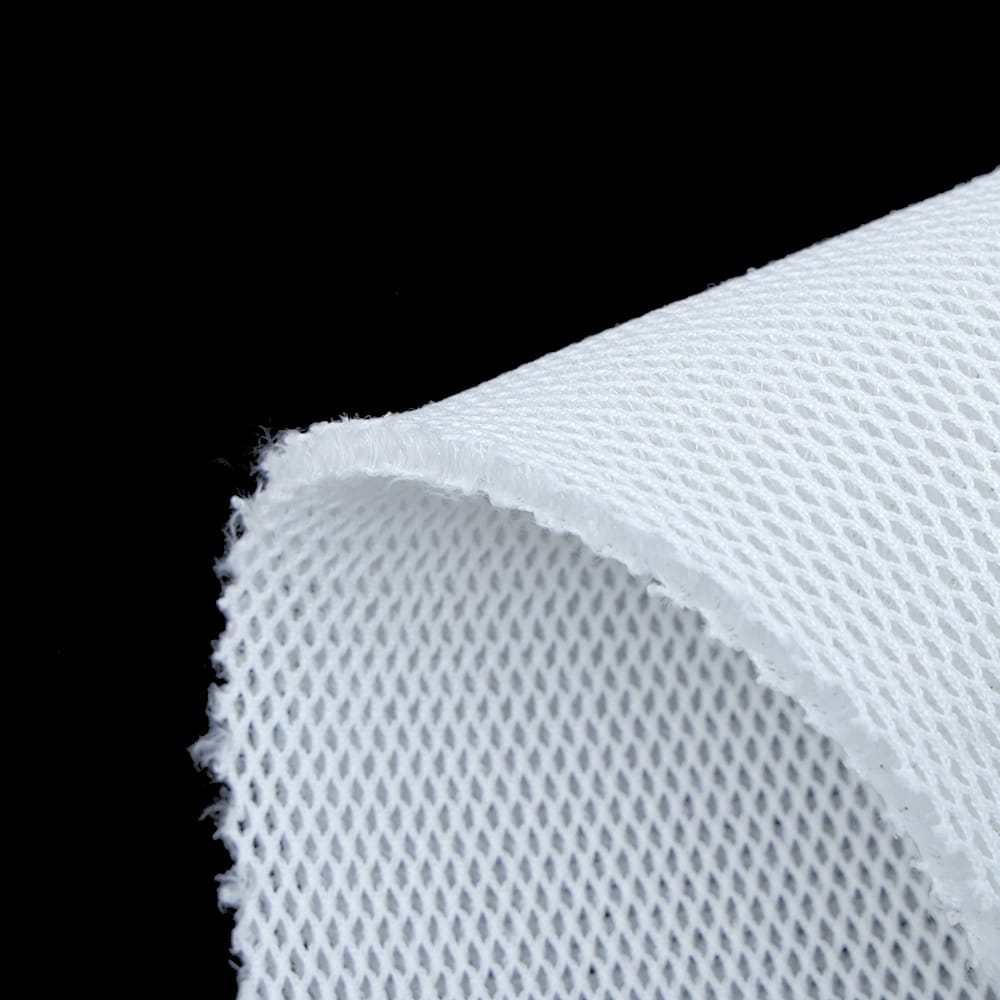
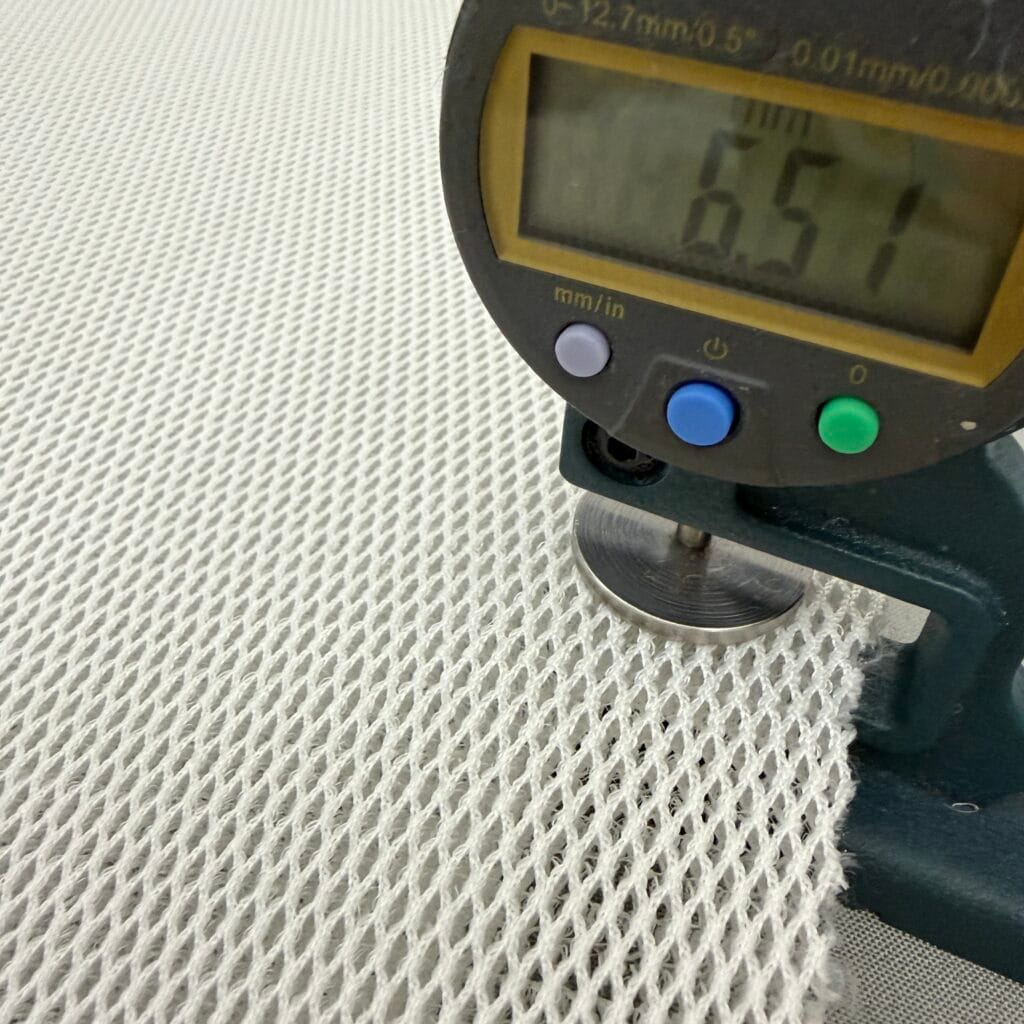
Thicker 3D mesh fabric in the 5mm to 8mm range is often selected when the product needs stronger cushioning, pressure distribution, and support.
Common applications include seat pads, stroller pads, mattress layers, orthopedic supports, pet mats, protective padding, and thicker breathable cushion layers.
8mm and Above: High Cushioning or Structural Padding
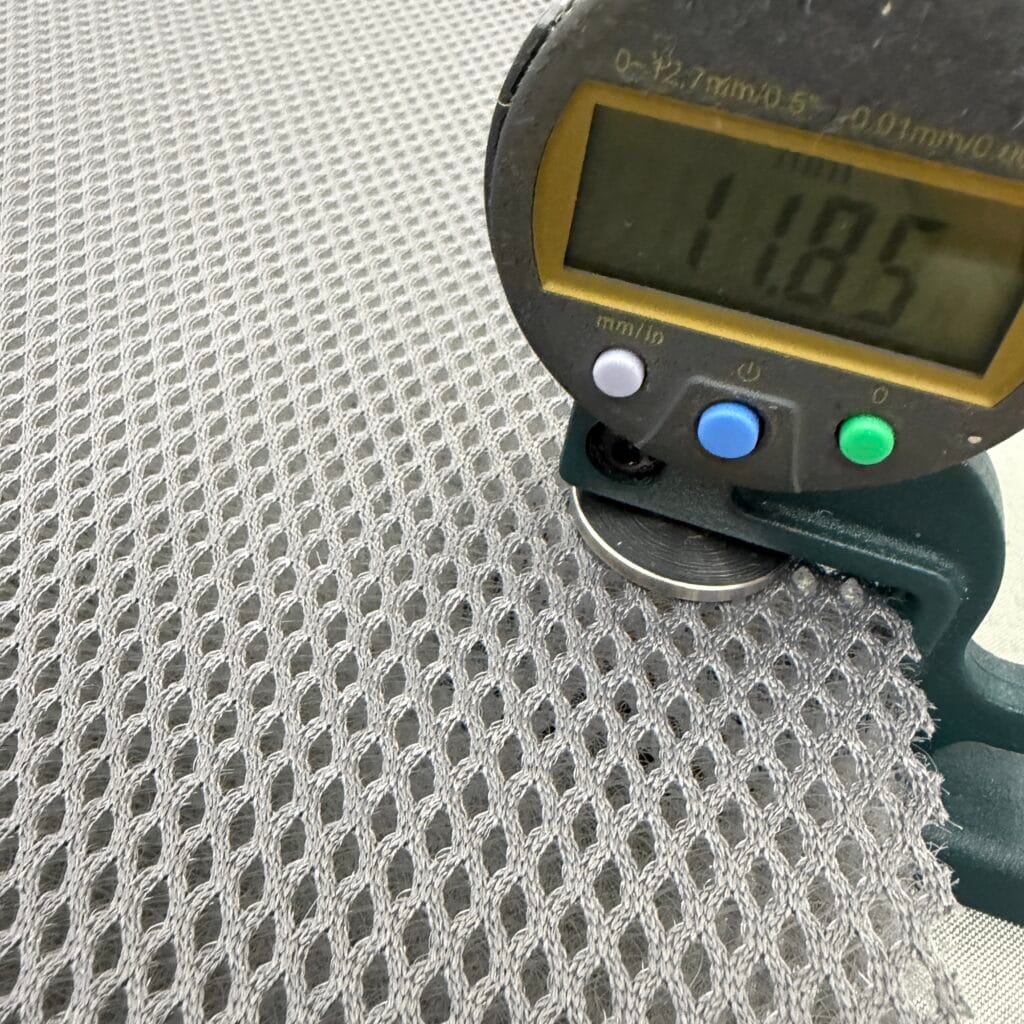
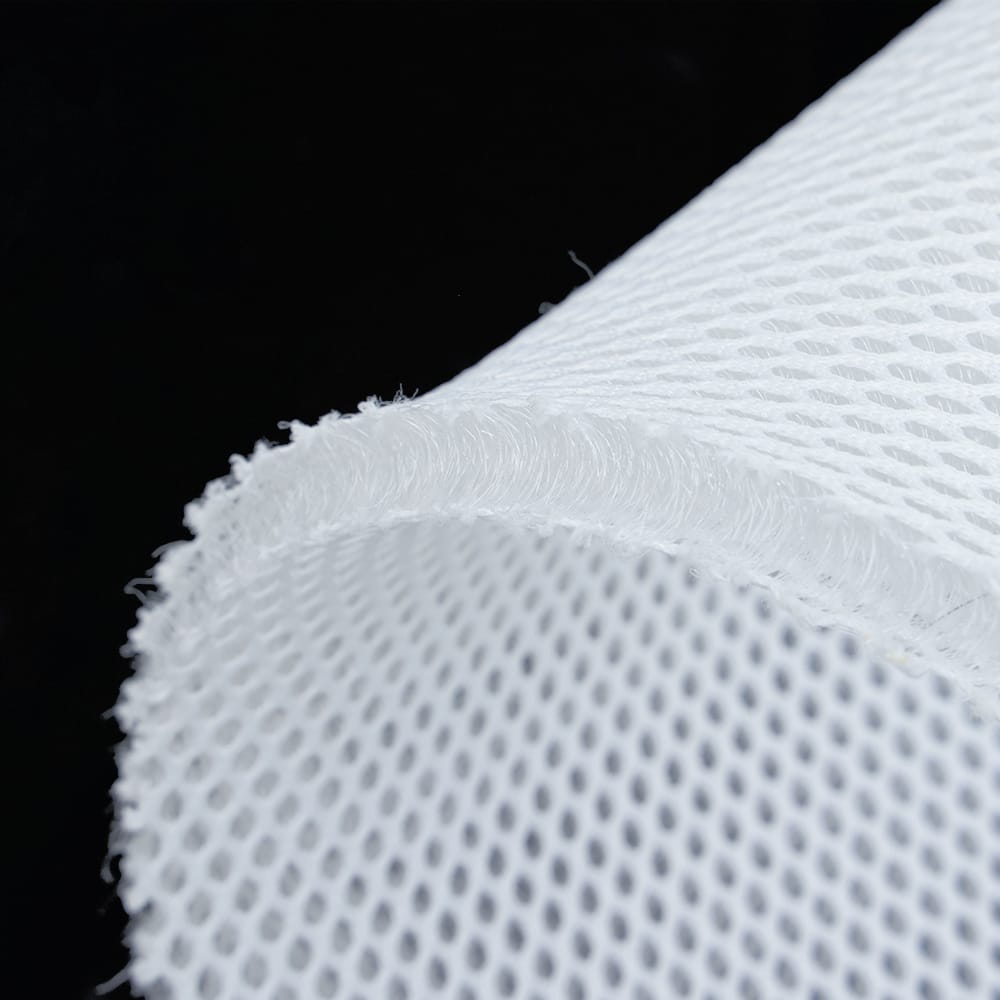
3D mesh fabric above 8mm is used when the design requires a thicker air layer, stronger cushioning, or more structural padding.
This thickness may be used for specialty mats, heavy cushioning layers, orthopedic products, outdoor padding, and industrial spacer applications. Buyers should confirm roll packing, cutting, sewing, compression recovery, and cost before choosing very thick fabric.
3D Mesh Fabric Thickness Range Summary
| Thickness Range | Main Feature | Common Applications | Buyer Notes |
|---|---|---|---|
| 2mm-3mm | Lightweight and flexible | Shoe uppers, garment panels, bag lining | Good for airflow with low bulk |
| 3mm-5mm | Balanced cushioning and breathability | Backpack padding, baby products, seat cushions | Common and versatile range |
| 5mm-8mm | Better support and cushioning | Mats, cushions, mattress layers, protective padding | Check compression and sewing needs |
| 8mm+ | High cushioning or structural padding | Specialty mats, orthopedic products, industrial layers | Confirm packing, cost, and processing feasibility |
Do Not Choose Thickness Alone
Thickness is only one part of 3D mesh fabric selection. Two fabrics with the same nominal thickness can feel very different if their yarn type, spacer yarn density, surface mesh structure, fabric weight, or finishing method is different.
For example, a 5mm 3D mesh fabric can feel soft and flexible, or firm and resilient. This is why buyers should evaluate thickness together with hand feel, compression recovery, airflow, width, color, lamination needs, and production process.
A Small Note About Thickness Tolerance
Because 3D mesh fabric is a compressible textile structure, the measured thickness may vary slightly depending on measuring position, pressure, and recovery time after rolling or packaging.
A standard industry thickness tolerance of ±0.5mm to ±1mm is completely normal and should be accounted for most product development projects. Buyers should consider not only the nominal thickness, such as 3mm or 5mm, but also whether the fabric thickness stays within an acceptable tolerance for the final product.
How to Choose the Right Thickness
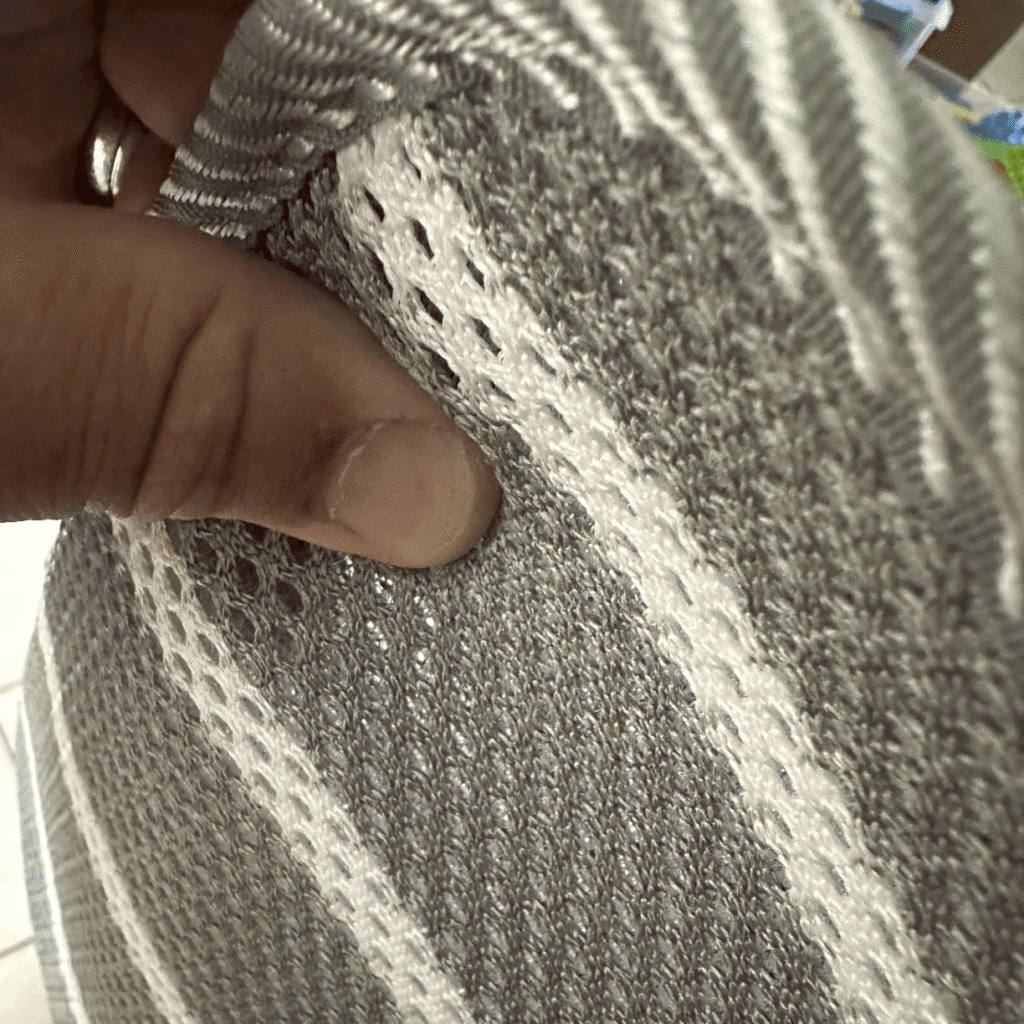
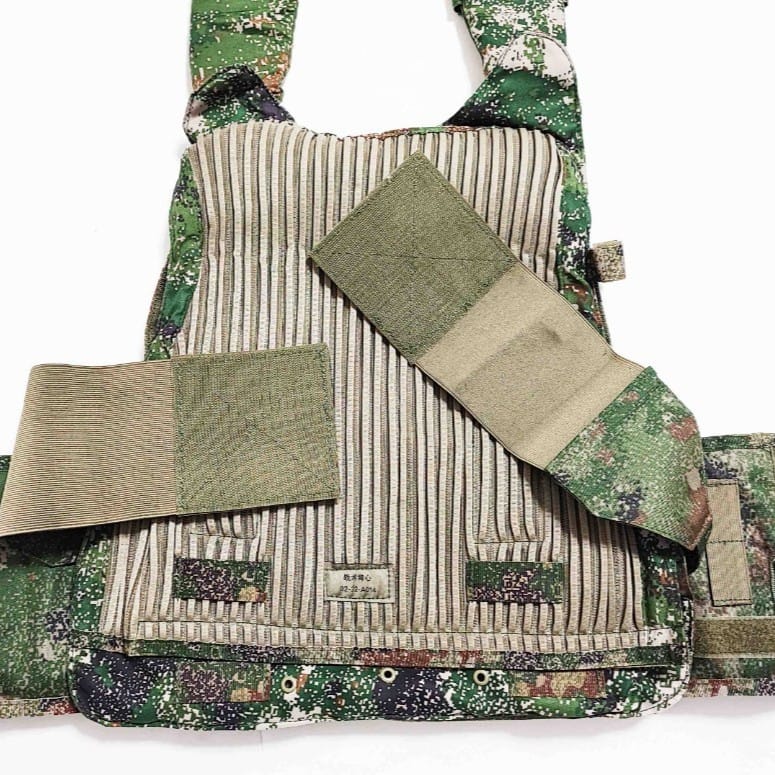
Before selecting the thickness, buyers can consider these questions:
- What is the final product? (e.g., medical mattress, automotive seat).
- Does the final product need to be soft and flexible, or firm and resilient?
- Will the fabric be sewn, laminated, molded, or edge-bound?
- Is product weight an important factor?
- What thickness range can the final product design accept?
Final Thoughts
Choosing the right 3D mesh fabric thickness is not about selecting the largest number. It is about matching the fabric structure to the final application.
Need Help Choosing the Right 3D Mesh Fabric Thickness?
If you are not sure whether 3mm, 5mm, or 8mm 3D mesh fabric is suitable for your product, share your application, target thickness, softness requirement, sample photos, and expected performance. We can help recommend a suitable spacer mesh structure based on breathability, cushioning, support, and production feasibility.
FAQ
What is the best thickness for 3D mesh fabric?
There is no single best thickness. Thin 2mm-3mm mesh is suitable for lightweight and flexible products, while 5mm-8mm or thicker mesh is better for cushioning, mats, and support layers.
Is thicker 3D mesh fabric always better?
Not always. Thicker fabric may provide more cushioning, but it can also increase weight, cost, packing volume, and sewing difficulty.
Why do two 5mm 3D mesh fabrics feel different?
Thickness is only one factor. Yarn type, spacer yarn density, fabric weight, surface mesh structure, hole size, and compression recovery can all affect softness, support, and airflow.
Will 3D mesh fabric thickness vary during measurement?
Slight variation can happen because 3D mesh fabric is compressible. Measuring position, pressure, and recovery time after rolling or packaging may affect the result.