
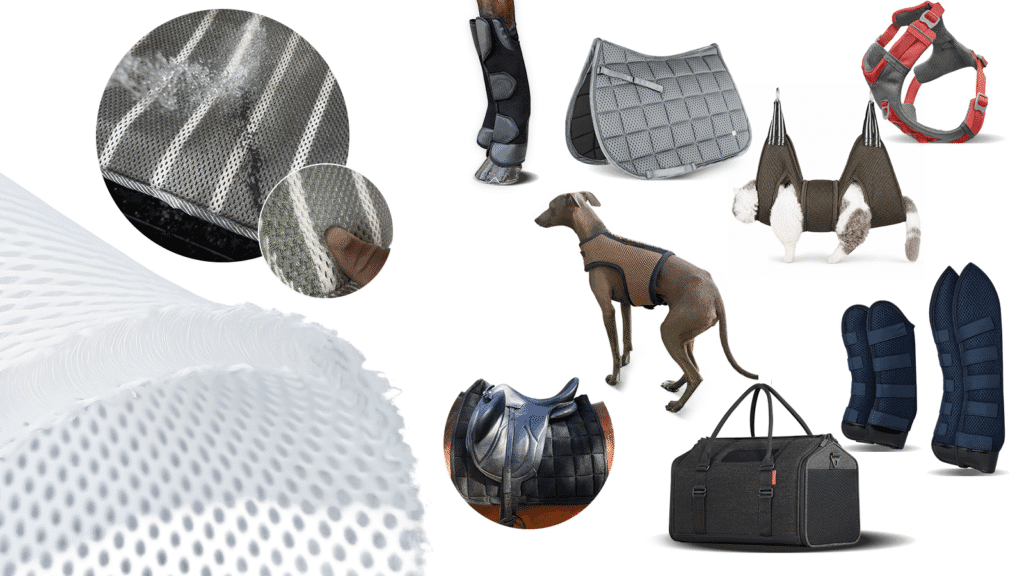
In animal care products, fabric is not only about appearance. It directly affects comfort, airflow, pressure distribution, drying speed, cleaning, and long-term usability. This is why many pet and equestrian brands are using 3D mesh fabric, also called 3D air mesh, spacer mesh fabric, or sandwich mesh, in products that stay close to an animal’s body.
From pet beds and dog harnesses to grooming hammocks, pet carriers, horse boots, and saddle pads, 3D mesh fabric offers a useful balance of breathability, cushioning, lightweight structure, and washable performance.
Where 3D Mesh Fabric Is Used in Animal Products
3D mesh fabric is commonly selected for animal products that need both airflow and support. Unlike flat mesh, spacer mesh has a three-dimensional structure that creates a small air gap inside the fabric. This helps reduce a heavy, stuffy feeling while still providing cushioning and recovery.
| Application | Product Examples | Main Buyer Needs |
|---|---|---|
| Rest & Sleep | pet bed, dog crate mat, cooling mat, breathable pet mat | airflow, washable care, quick drying, comfort |
| Walking & Work | dog harness, service dog vest, breathable harness fabric | less rubbing, lightweight support, better ventilation |
| Grooming & Care | grooming hammock, nail trimming sling, pet grooming sling | soft support, easy cleaning, less pressure |
| Travel & Transit | cat carrier, dog carrier backpack, front backpack | ventilation, lighter structure, contact comfort |
| Equestrian Gear | horse boots, shipping boots, splint boots, saddle pad | cushioning, heat release, durability, easy cleaning |
For manufacturers, the key is not simply choosing “mesh.” The structure, thickness, GSM, yarn, surface handfeel, and finishing all affect whether the material works well in the final product.
Pet Beds, Crate Mats and Cooling Mats
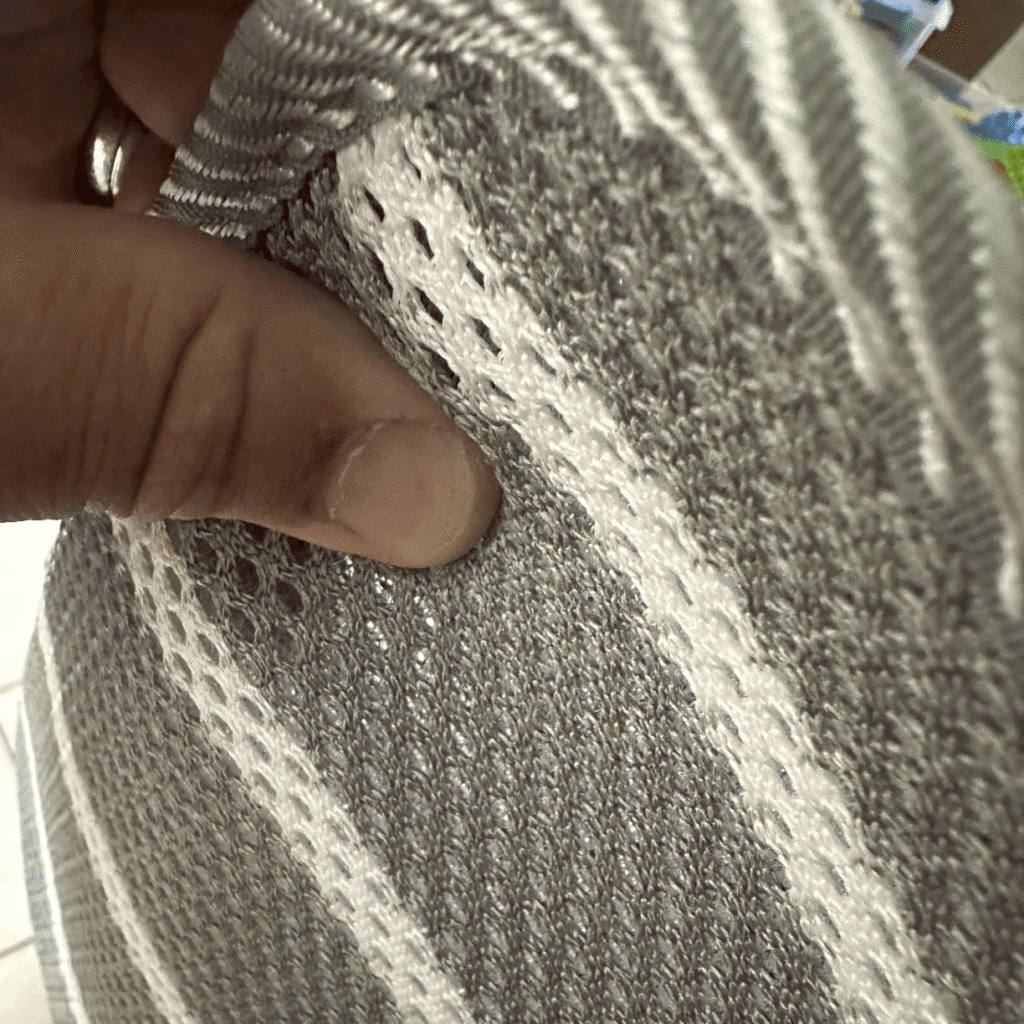
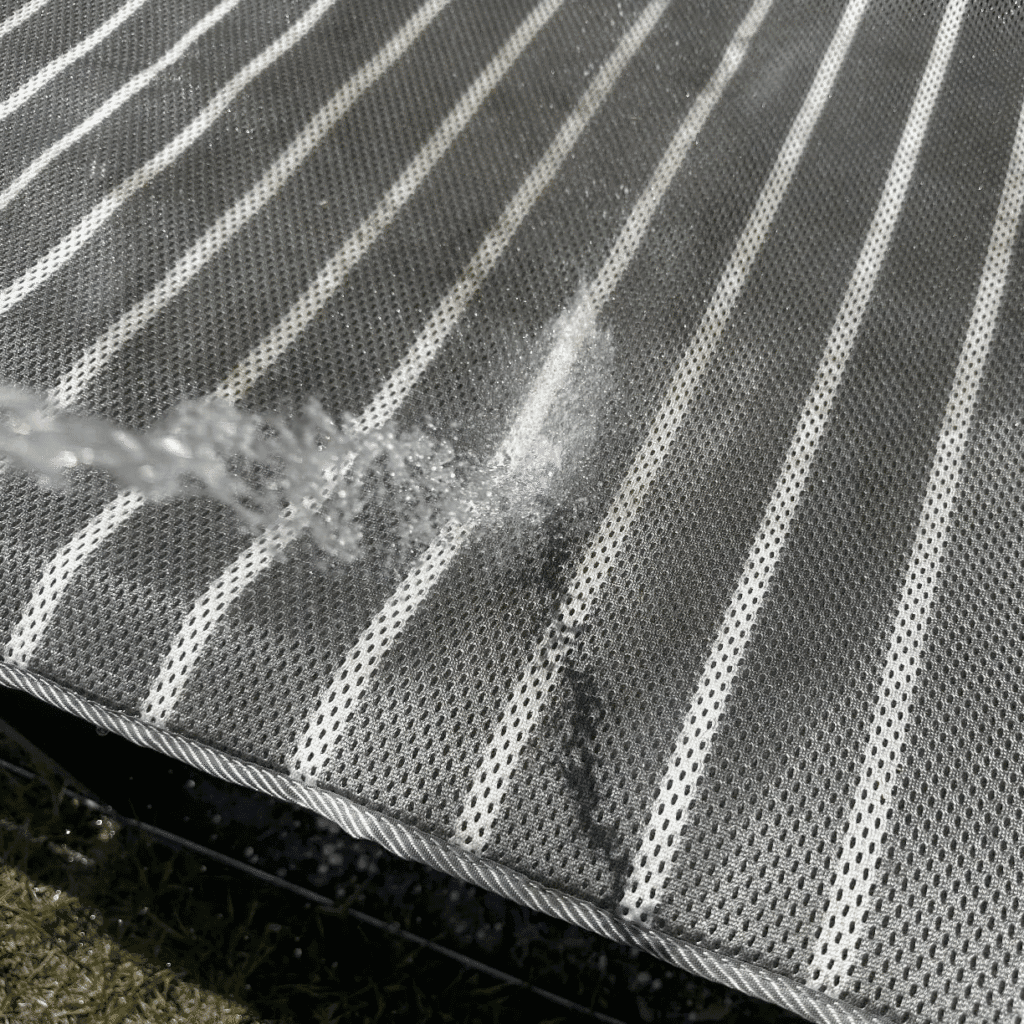
Pet beds are one of the most visible uses of 3D mesh fabric. Many dogs and cats avoid thick plush beds during warm weather because the surface traps heat. A breathable pet mat or dog crate mat made with 3D air mesh can offer a lighter resting surface with better airflow.
For this category, buyers usually care about:
- breathable comfort for warm indoor use
- washable and quick-drying construction
- enough cushioning for daily rest
- anti-slip backing or stable placement
- lightweight design for crate, travel, or seasonal use
3D mesh fabric is especially useful for pet cooling mats that avoid gel, water, or electricity. The material does not “refrigerate” the pet, but it can support passive airflow and reduce the heat-trapping feel of heavy bedding.
For B2B product development, pet beds can use thicker spacer mesh for cushioning, softer surface yarns for skin contact, and laminated anti-slip fabric on the bottom. If the product targets summer use, breathability and drying performance should be emphasized more than plush thickness.
Dog Harnesses and Service Dog Vests
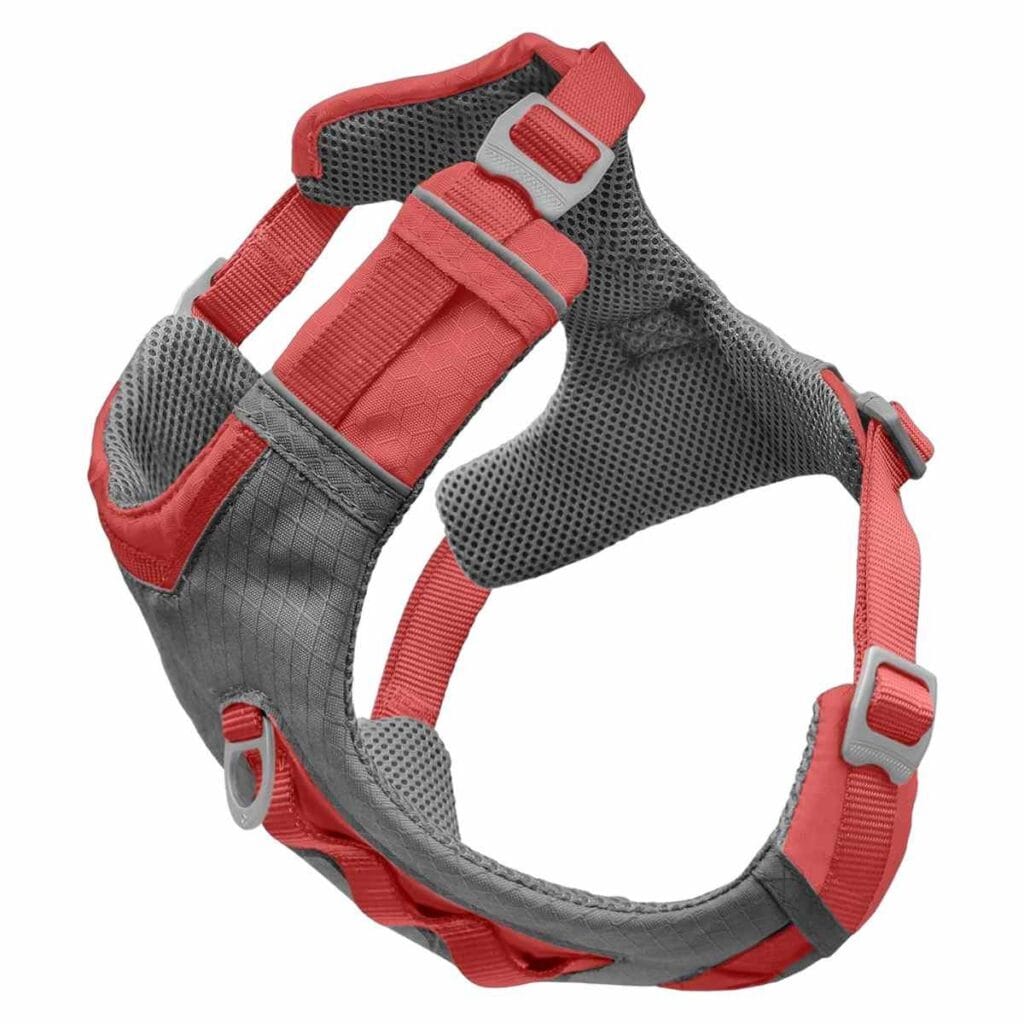
Dog harnesses and service dog vests need a different balance. These products sit close to the chest, shoulders, and underarm areas, where friction and heat buildup can easily affect comfort.
In this application, 3D spacer mesh is often used as padding or lining because it can provide cushioning without the dense feel of foam. For working dogs or service dogs that may wear a vest for longer periods, breathable structure and flexible support become more important.
Common buyer concerns include:
- Will the harness feel too hot?
- Will the edge rub the dog’s underarm area?
- Is the fabric soft enough for repeated wear?
- Can the harness stay lightweight after adding padding?
- Will the mesh dry quickly after sweat, rain, or washing?
A good spacer mesh dog harness should combine open mesh faces, elastic recovery, and smooth finishing. The material should not collapse too easily, because the internal air gap is part of what gives spacer mesh its value.
For small dogs, pattern design also matters. A full-coverage vest may still feel warm even if the material is breathable. For this reason, brands often combine spacer mesh panels with adjustable straps, cut-outs, and soft edge binding.
Grooming Hammocks and Nail Trimming Slings
Grooming hammocks and nail trimming slings are a smaller but very interesting application for 3D mesh fabric. These products need to support the animal’s body while keeping the contact surface comfortable and easy to clean.
A pet grooming sling must usually meet several requirements at once:
- enough strength for suspended support
- soft contact against the belly and legs
- breathable structure to avoid stuffiness
- washable material for fur, dirt, and odor
- stable shape after repeated use
This is where 3D mesh fabric can be more useful than a simple flat fabric. Its thicker structure can distribute pressure more gently, while the open mesh construction helps moisture and heat move away from the contact area.
For brands developing grooming hammocks, the fabric should be tested not only for breathability but also for tensile strength, seam strength, edge durability, and deformation after washing. If the product is used for heavier pets, fabric thickness and reinforcement design become especially important.
Pet Carriers and Front Backpacks
Pet carriers and front backpacks create another common comfort problem: enclosed space. Cats and dogs may stay inside the carrier for an extended time, while the owner also experiences pressure and heat on the shoulders, chest, or back.
3D mesh fabric can be used in two ways:
- inside the carrier, as a breathable contact panel for the pet
- outside the carrier, as padded mesh on shoulder straps or back panels for the owner
For pet carriers, airflow is usually a major selling point. However, ventilation depends on the full product design, not only the material. Mesh window size, carrier structure, opening position, and fabric stiffness all affect air movement.
Spacer mesh is useful when the brand wants a padded but breathable panel. Compared with dense foam padding, a well-designed 3D mesh layer can feel lighter, dry faster, and reduce the sticky feeling caused by long contact.
For front backpacks and dog carrier backpacks, the ideal material often needs medium thickness, good recovery, abrasion resistance, and a soft enough surface for both pet and owner contact.
Horse Boots, Shipping Boots and Saddle Pads
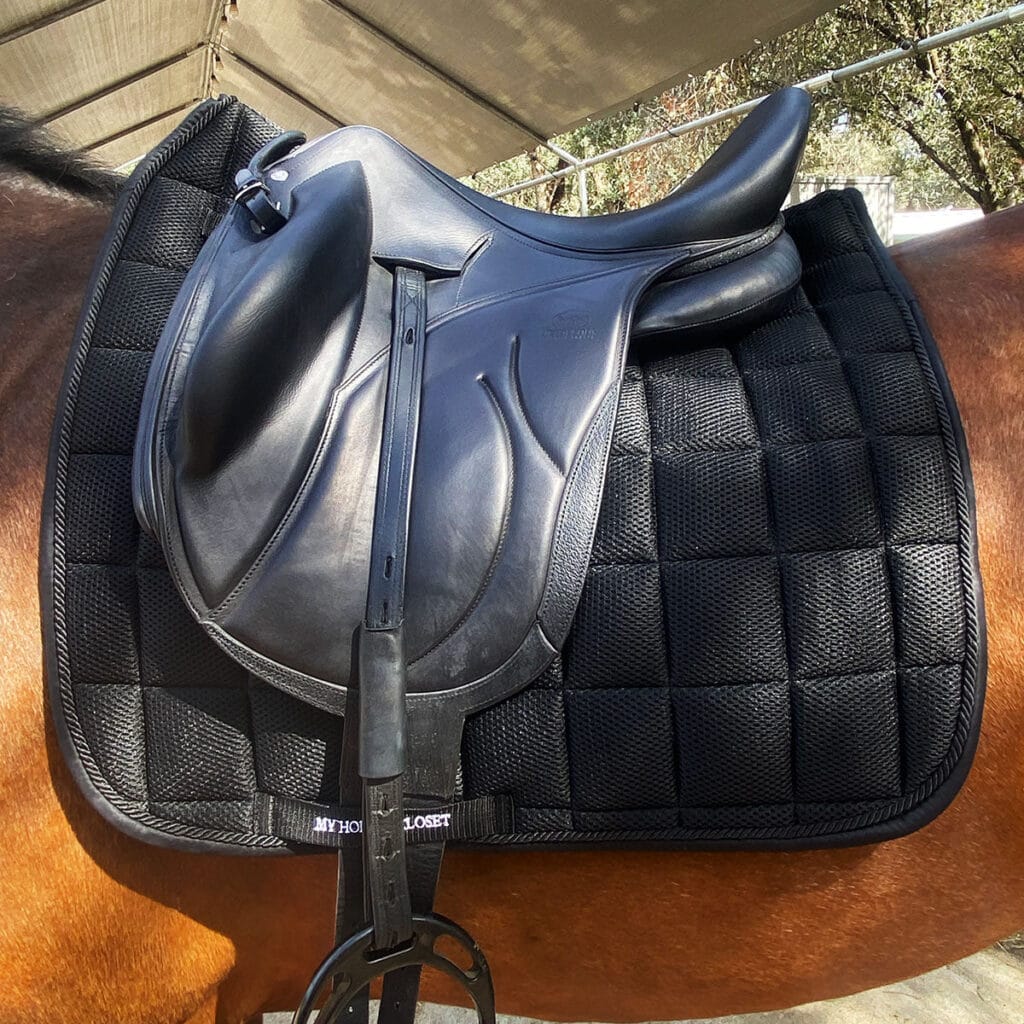
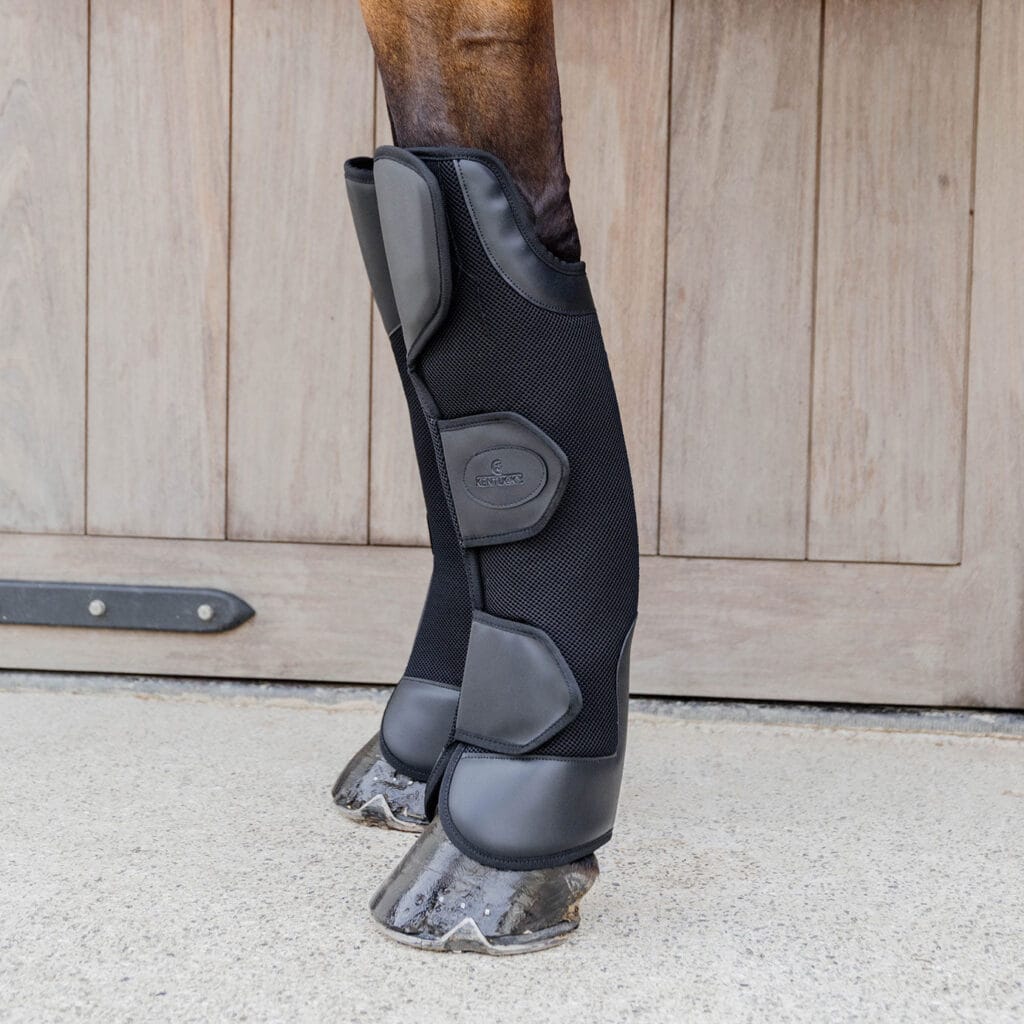
Equestrian products bring 3D mesh fabric into a more performance-oriented category. Horse boots, shipping boots, splint boots, and saddle pads must handle movement, pressure, dirt, sweat, and repeated cleaning.
In horse gear, the main material needs are:
- cushioning against impact or pressure
- ventilation around covered areas
- quick drying after sweat or washing
- durability against friction
- shape stability during movement
For horse boots and shipping boots, spacer mesh can be used as an inner lining or cushioning layer. It helps create a breathable buffer between the protective outer material and the horse’s leg. For saddle pads, 3D spacer mesh may help improve airflow under the saddle area while adding light cushioning.
This does not mean spacer mesh alone determines performance. Final results depend on the complete design, including outer fabric, binding, closure system, foam or felt layers, stitching, and fit. But as a component material, 3D mesh fabric gives equestrian brands a practical option when they need both cushioning and ventilation.
How to Choose 3D Mesh Fabric for Animal Product Manufacturing
When selecting 3D mesh fabric for animal products, buyers should look beyond color and surface appearance. The best choice depends on the product’s function.
Important specifications include:
- Thickness: thinner for lining and harnesses, thicker for beds and padding
- GSM: affects weight, cost, and structure
- Composition: polyester is common for durability and quick drying; nylon may be used for specific strength or handfeel needs
- Surface texture: softer for skin-contact products, stronger for outdoor gear
- Compression recovery: important for beds, saddle pads, and protective gear
- Air permeability: important for cooling mats, carriers, and harnesses
- Abrasion resistance: important for horse boots, harnesses, and backpacks
- Washability: important for almost all animal products
- Lamination options: anti-slip backing, brushed fabric, waterproof layer, or decorative face fabric
- Color matching: useful for pet brands and equestrian collections
For animal products, it is also important to avoid exaggerated claims. Words such as “prevents overheating,” “medical grade,” “anti-bacterial,” or “non-toxic” should only be used when supported by suitable testing or certification. A safer and more accurate wording is: “supports airflow,” “helps reduce trapped heat,” “designed for washable pet product applications,” or “can be tested to target market requirements.”
Custom 3D Mesh Fabric Options for Pet and Equestrian Brands
Different animal products require different fabric structures. A pet bed may need a thicker and softer 3D mesh, while a dog harness may need a lighter spacer mesh with better flexibility. Horse boots may require stronger abrasion resistance and better compression recovery.
Custom options can include:
- custom thickness
- custom GSM
- polyester or nylon yarn options
- soft-touch surface
- large-hole or fine-hole mesh face
- color matching
- anti-slip lamination
- waterproof or water-resistant backing
- flame-retardant or recycled yarn options when required
- roll width adjustment
- sample development for new product lines
For brands, working with a 3D mesh fabric supplier can make product development easier. Instead of choosing one standard mesh for every product, manufacturers can adjust the material according to the final use: bedding, harness padding, grooming support, pet carrier panels, or equestrian protection.
Need 3D Mesh Fabric for Pet or Equestrian Products?
We can help you develop breathable 3D air mesh fabric for pet beds, dog harnesses, grooming slings, pet carriers, horse boots, saddle pads, and other animal product applications. Custom thickness, GSM, surface texture, color, lamination, and sample development are available for OEM/ODM projects.
FAQ
Yes. 3D mesh fabric can be used in pet beds, crate mats, and breathable cooling mats because it offers airflow, cushioning, washable care, and quick drying.
Many dog harnesses use spacer mesh or sandwich mesh as padding or lining. It helps provide a softer contact surface while supporting ventilation around the chest and shoulder areas.
Yes. For grooming hammocks and nail trimming slings, 3D mesh fabric can provide breathable support, soft contact, and easy cleaning. Strength and seam performance should be tested for the final product.
Yes. Spacer mesh can be used for pet contact panels, shoulder straps, and back padding. It helps create a lighter, more breathable structure, but the full carrier design still needs proper ventilation.
Yes. 3D spacer mesh can be used as a breathable cushioning layer in horse boots, shipping boots, splint boots, and saddle pads. Final performance depends on the full material combination and product fit.
Conclusion
3D mesh fabric has become a practical material choice for many animal products because it combines breathability, cushioning, lightweight structure, and easy-care performance. For pet beds, dog harnesses, grooming hammocks, pet carriers, horse boots, and saddle pads, the material can help brands create products that feel less stuffy, dry faster, and provide better support in daily use.
For manufacturers and pet product brands, the most important step is choosing the right 3D mesh structure for the specific application. Thickness, GSM, surface texture, recovery, durability, and lamination all matter. With the right customization, 3D air mesh fabric can support a wide range of pet and equestrian product designs.