

Dog harnesses and pet vests are no longer only simple walking accessories. For premium and functional pet product brands, the material used in chest panels, back panels, strap padding, and vest linings can influence how the finished product feels, breathes, washes, and differentiates itself in the market.
This is why 3D mesh fabric is worth evaluating for dog harnesses, pet vests, and layered cooling dog vest designs. Its three-dimensional structure can provide a breathable air space, lightweight cushioning, and a more structured padding feel than ordinary single-layer mesh.
However, 3D mesh is not a one-size-fits-all solution. The right fabric depends on product positioning, contact area, thickness, handfeel, lamination, edge binding, sewing method, and sample testing before bulk production.
Why Premium Pet Brands Pay More Attention to Breathable Padding
For premium pet product brands, fabric selection is no longer only about basic durability. Breathability, cushioning, soft handfeel, washable structure, and product differentiation are becoming part of the product development conversation.
What Is 3D Mesh Fabric?
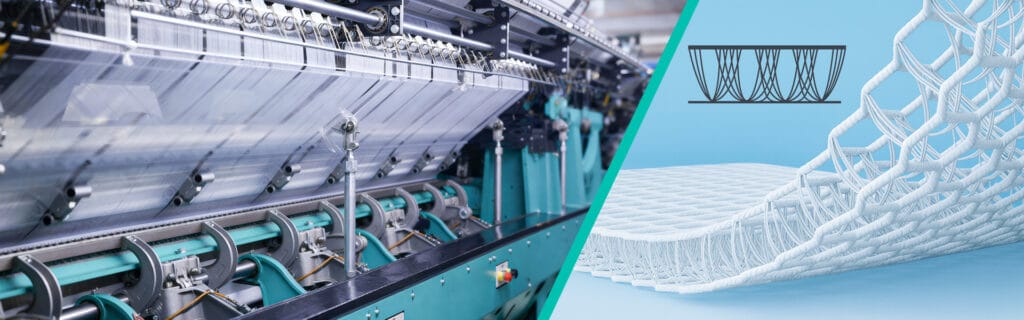
3D mesh fabric, also called 3D air mesh, spacer mesh, or sandwich mesh, is a three-dimensional textile structure. Unlike ordinary single-layer mesh, it usually includes a top surface, spacer yarns in the middle, and a bottom surface.
This structure can be engineered for different thickness, handfeel, airflow, resilience, and processing needs.
How 3D Mesh Works in Dog Harness and Pet Vest Structures
In a dog harness or pet vest, 3D mesh fabric can play different roles depending on where it is placed. It may be used as a contact layer, a breathable padding layer, a spacer component, or part of a laminated structure.
Provide a soft handfeel for areas touching the chest, belly, or back.
Offer breathable cushioning and a more structured padding feel.
Support sewing stability, lamination support, and shape retention depending on construction. It is important to note that final pet comfort is not determined by fabric alone, as fit, pattern design, edge binding, stitching, product weight, and sizing also matter.
3D Mesh vs Foam, Neoprene, and Ordinary Mesh
No single material is the best choice for every pet wearable product. Foam, neoprene, ordinary mesh, Oxford fabric, and 3D mesh each have different advantages. The right choice depends on product structure, target price, user scenario, and testing results.
3D mesh fabric: Features a breathable structure and flexible custom options, but needs testing for abrasion and edge finishing.
Foam: Offers soft padding, but can retain heat or moisture depending on the structure.
Neoprene: Is soft and water-friendly, but may feel warmer or heavier than open mesh structures.
Ordinary mesh: Is lightweight, but provides less cushioning and 3D structure.
Oxford fabric: Provides a durable outer shell, but is not a soft contact or cushioning layer by itself.
Using 3D Mesh in Cooling Dog Vest Designs
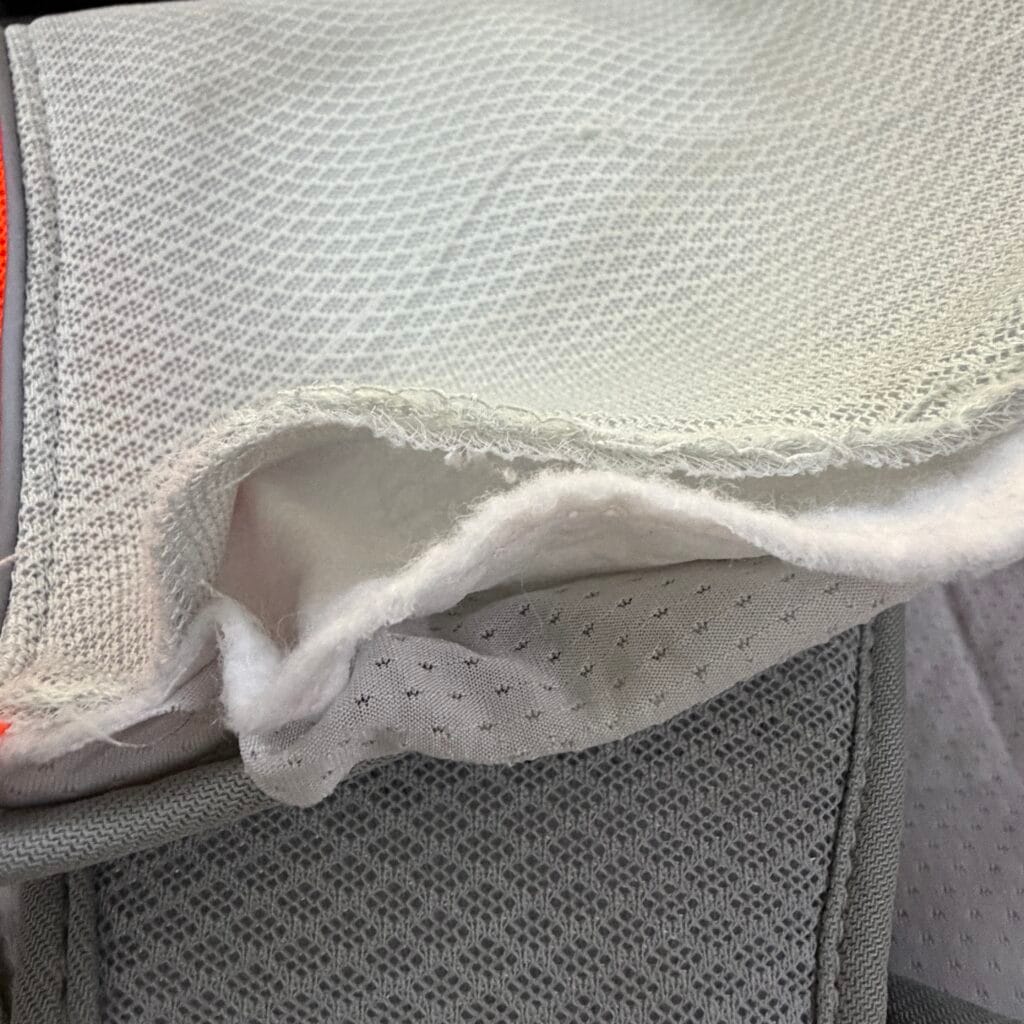
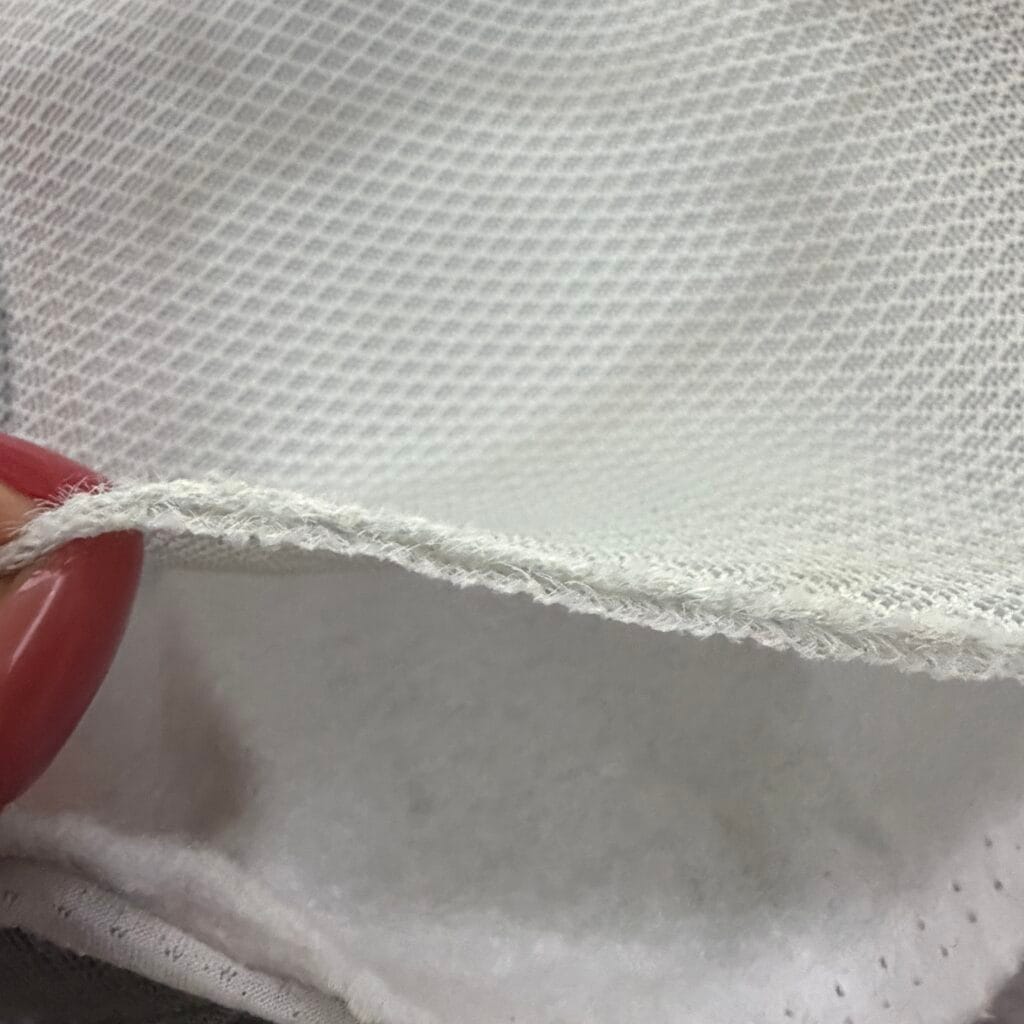
By integrating 3D Spacer Mesh (warp-knitted 3D air mesh) into the cooling dog vest product lines, premium brand solved a critical outdoor challenge: maintaining canine thermal regulation under extreme heat without causing skin dampness or chafing.
In this type of design, 3D mesh fabric should not be described as a standalone cooling technology. Its more realistic role is as a breathable support layer, inner lining, or spacer component inside the material system.
For example, an outer shell may help protect the structure or reflect sunlight, while an absorbent layer may hold moisture for evaporative cooling. A 3D mesh or breathable lining layer may help create separation, improve ventilation, and make the inner side more structured.
How to Evaluate 3D Mesh Specifications Before Sampling
Start With Product Positioning: Evaluate if the product is an everyday walking harness, outdoor harness, or cooling vest, and whether the design prioritizes softness, structure, or breathability.
Check the Contact Area: Consider if the fabric will touch the chest, belly, or underarm area, and if edge binding will affect comfort.
Balance Thickness and Flexibility: Buyers should test several thickness and handfeel options before choosing a final material, because thicker spacer mesh may improve cushioning but can also affect flexibility, sewing, weight, and fit.
Consider Lamination and Sewing Performance: Confirm if the 3D mesh will be laminated with Oxford fabric, cooling fabric, or absorbent layers, and evaluate its die-cutting and shape retention.
Test Before Bulk Production: Buyers should test for washability, abrasion resistance, colorfastness, compression recovery, lamination bonding stability, and handfeel after washing.
B2B Customization and Sampling Checklist
Product type: dog harness, pet vest, cooling dog vest, carrier liner, or padded panel.
Fabric role: contact layer, padding layer, support layer, lining, or laminated layer.
Application position: chest, back, belly, strap, inner lining, or outer panel.
Desired properties: breathability, cushioning, soft handfeel, washable structure, quick drying, or durability.
Processing needs: lamination, cutting, sewing, edge binding, logo, or packaging.
Testing needs: abrasion, washing, colorfastness, compression, deformation, or chemical compliance.
Order details: sample quantity, estimated order quantity, target launch date, and bulk lead time expectation.
Need 3D Mesh Fabric for Dog Harness or Pet Vest?
If you are developing a dog harness, pet vest, cooling dog vest, or other breathable pet wearable product, send us your product type, application area, target handfeel, thickness preference, lamination needs, and testing requirements. Our team can help evaluate suitable 3D mesh fabric options for sampling.
FAQ
Is 3D mesh fabric suitable for dog harnesses?
Yes, 3D mesh fabric can be evaluated for dog harness contact layers, padding panels, and breathable lining structures. Final suitability depends on product design, fit, edge finishing, sewing method, and testing.
What thickness is best for dog harness padding?
There is no universal thickness for all dog harness designs. Buyers should compare several thickness and handfeel options based on product positioning, contact area, flexibility, weight, and sewing requirements.
Can 3D mesh be used in cooling dog vests?
Yes, it can be evaluated as a breathable lining, spacer, or support layer in cooling dog vest designs. The final cooling performance depends on the complete material system, fit, environment, and usage method.
Is 3D mesh washable?
Many 3D mesh fabrics are designed for washable textile applications, but buyers should confirm wash performance, drying behavior, colorfastness, deformation, and lamination stability through sample testing.
Can 3D mesh be laminated with other fabrics?
Yes, depending on the specific construction. Buyers should confirm bonding method, backing fabric, thickness, flexibility, and finished product processing requirements before bulk production.
What should buyers send before requesting samples?
Buyers should send product type, application position, target handfeel, thickness preference if known, color, width, lamination needs, testing requirements, target market, and estimated order quantity.