
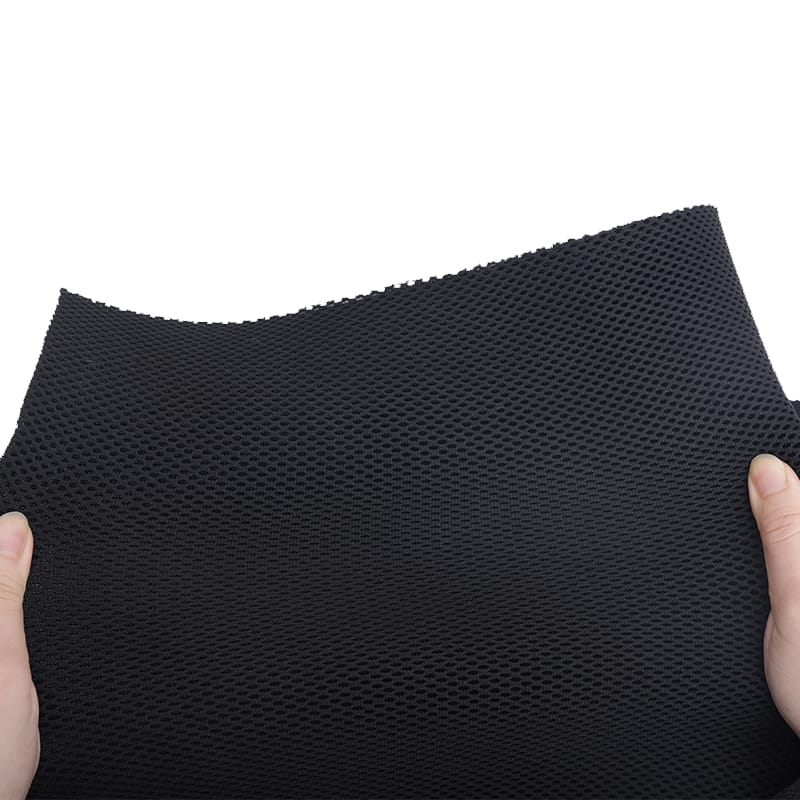
A rehabilitation client recently brought us two failing physical fabric samples from their previous supplier. Their electric wheelchair cushion material failed the ISO 10993 biocompatibility test due to severe cytotoxicity and skin irritation.
Diagnosing Cytotoxicity in Wheelchair Mesh Padding
We tore down the existing samples to identify the root cause of the biocompatibility failures. The results revealed two critical chemical hazards hidden within the standard textile supply chain.
Fabric 1: The TPE Plasticizer Trap
Standard TPE yarns utilize heavy plasticizers and mineral oils to achieve a soft, bouncy feel.
During lab extraction, they precipitate rapidly, causing immediate cytotoxicity failures in breathable padding.
ZFY Solution: Replace with 100% pure medical-grade TPU.
TPU achieves elasticity purely through its molecular chain structure, eliminating plasticizer leaching entirely.
Fabric 2: The Hidden Spandex Hazard
Commercial spandex retains toxic chemical solvents from the spinning process, alongside stubborn surface silicone oils.
These residues are primary culprits for the failure of biocompatibility tests on protective gear and wheelchair fabrics.
ZFY Solution A (Maximum Safety): Zero-Spandex Mechanical Stretch.
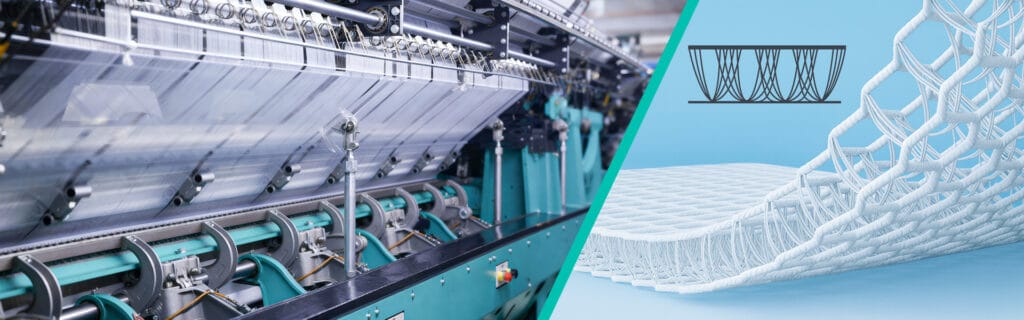
We utilized double-needle bed warp knitting structures to create permanent mechanical stretch from 100% pure polyester.
ZFY Solution B (Level 2 Compliance): Controlled Spandex Integration.
If product architecture mandates traditional spandex, we control the chemical baseline to ensure stable Level 2 biocompatibility clearance.
Engineering the Zero-Spandex Solution
After reviewing our engineering proposals, the client decisively chose the 100% polyester mechanical stretch option for ther wheelchair cushion fabrics.
The custom fabric passed ISO 10993 testing with zero cytotoxicity. And it perfectly maintained the precise dynamic stretch recovery required for high-end electric wheelchair seating.
The client immediately approved and signed a long-term mass production agreement. We are now officially integrated as their core upstream supplier.
The ZFY Manufacturer Edge
Relying on standard textile traders introduces uncontrollable chemical variables deep within the yarn supply chain. This is exactly why the client’s previous supplier failed the regulatory testing.
As a genuine manufacturer, ZFY controls every parameter from yarn selection to final knitting on our German Karl Mayer machines. This industry-and-trade integration guarantees our structural solutions remain stable across mass production.
Compliance & Sustainability
Every custom batch undergoes rigorous testing before global distribution. From raw material to the finished roll, our six-step quality control process ensures your mesh padding meets the highest global standards.
Recommended Healthcare Fabrics for Wheelchairs

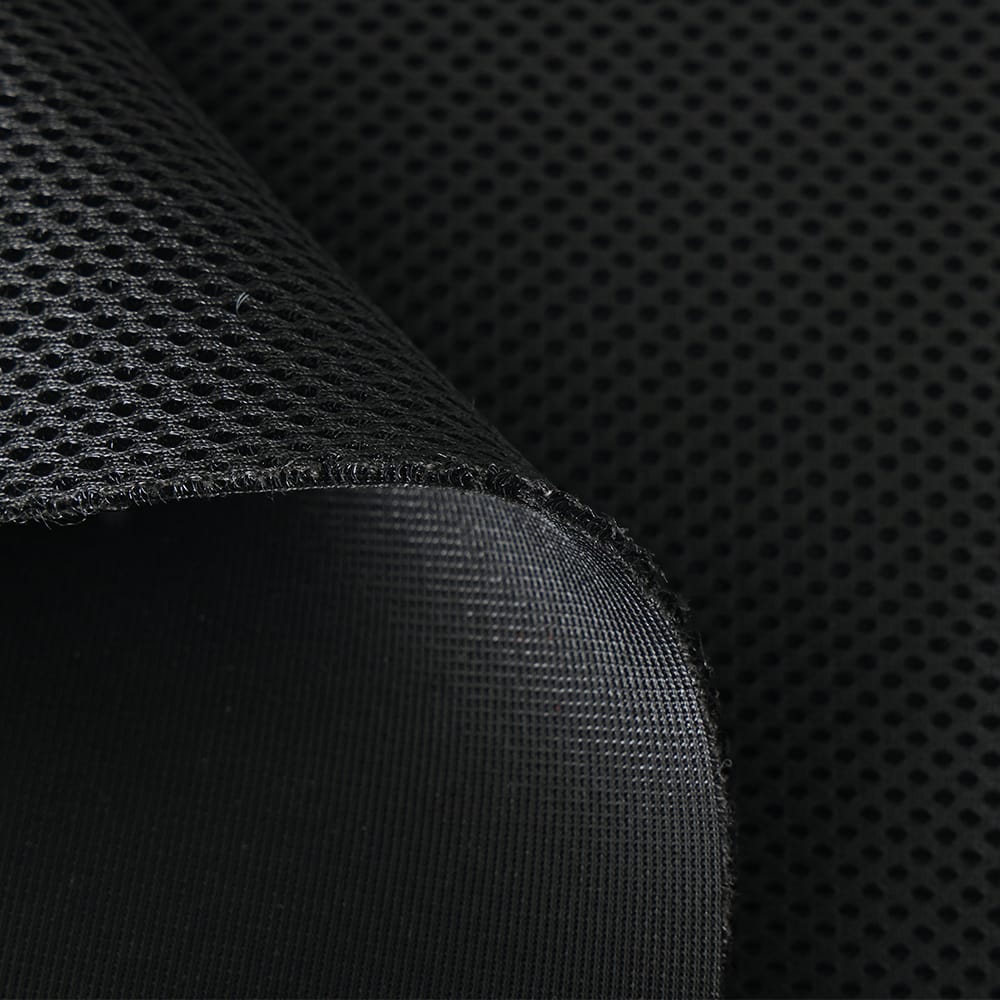
Model 4-6: Originally engineered for automotive seating, this structure offers extreme compression resistance and low VOC emissions. It is perfect for electric wheelchair cushion where robust 3D support is necessary. (This is also the fabric structure prototype that the client chose to sample in this case.)
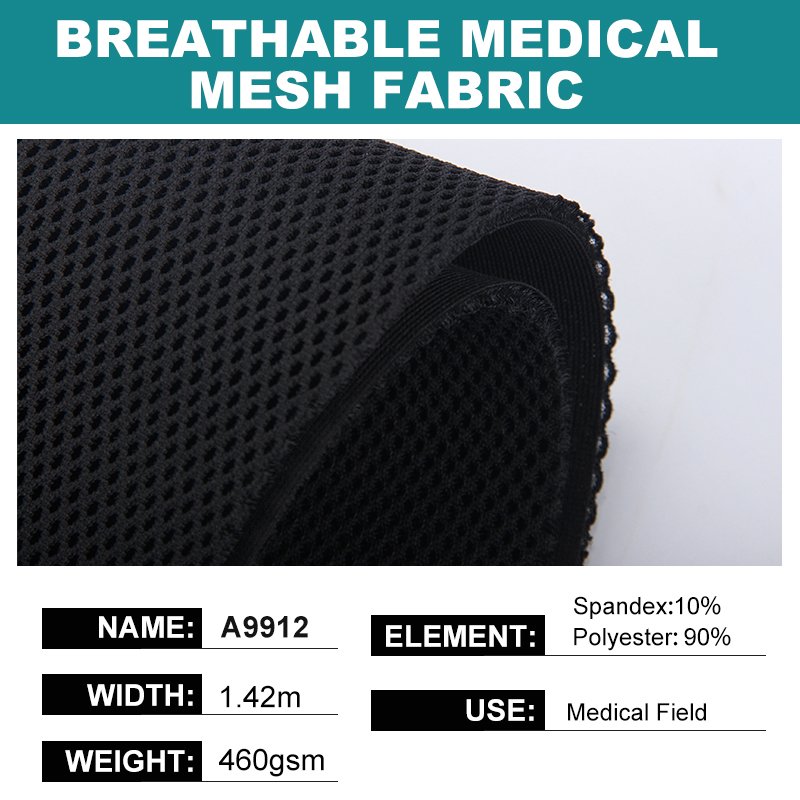
Model A9912:
This is a highly elastic 3D mesh utilizing controlled spandex. It is ideal for orthopedic braces and dynamic supports, successfully passing Level 2 biocompatibility testing.
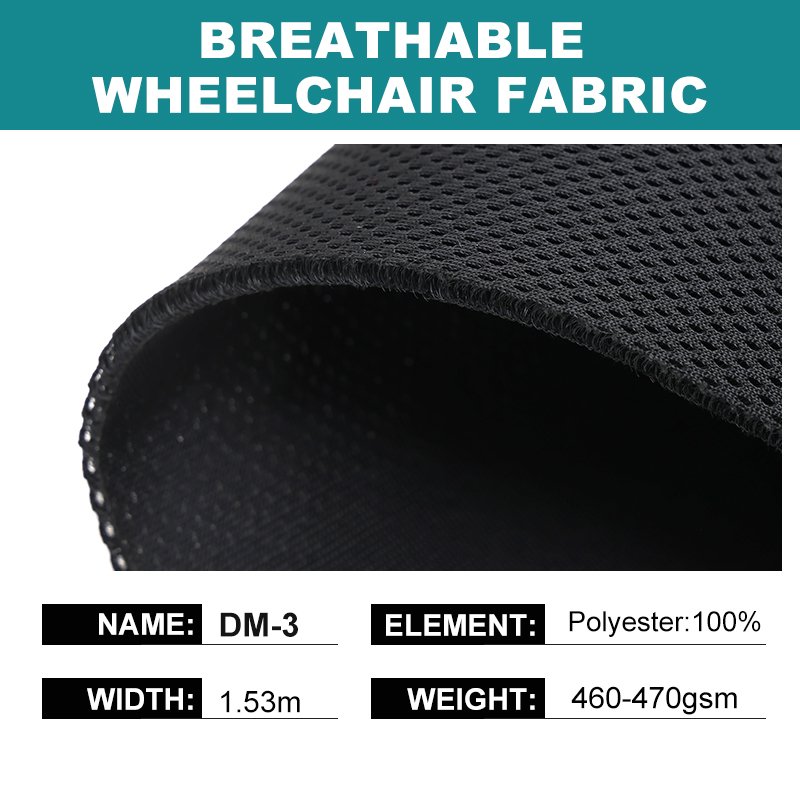
Model DM-3:
Constructed from 100% pure polyester with zero spandex, this fabric prioritizes maximum infection control. We highly recommend it for wheelchair cushions for pressure ulcers where cross-stretch is not required.
Please click here to check more 3-layer mesh fabrics.
Conclusion & Next Steps
ZFY is a proactive engineering partner with upstream hazard-avoidance capabilities, not just a reactive contract factory. Stop wasting time with middlemen and choose a source factory fluent in ISO and EN compliance languages.
Request a Quote or Custom Sample
Send us your failing physical samples or strict technical specifications today. We will provide a comprehensive engineering review within 48 hours and accelerate your custom prototyping process.
Frequently Asked Questions (FAQ)
Can wheelchair cushions achieve necessary elasticity without spandex?
Yes. Our double-needle bed geometric mesh design grants 100% pure polyester excellent mechanical stretch. This elasticity stems from physical spatial arrangement rather than chemical elastomers, making it ideal for medical seating.
Why do many 3D mesh fabrics fail ISO 10993 cytotoxicity tests?
This is usually caused by invisible chemical additives in the supply chain. Common culprits include heavy plasticizers in standard TPE yarns or excessive chemical solvents left on commercial spandex in this case.
How long does custom fabric R&D and prototyping take?
Our standard R&D prototyping cycle is typically around 10 working days. This timeframe covers targeted procurement of specialty yarns and precise machine calibration.
What is the Minimum Order Quantity (MOQ) for custom fabrics?
Our standard in-stock MOQ is typically 50 meters. For custom colors or OEM structural development, please consult with our engineering team.