
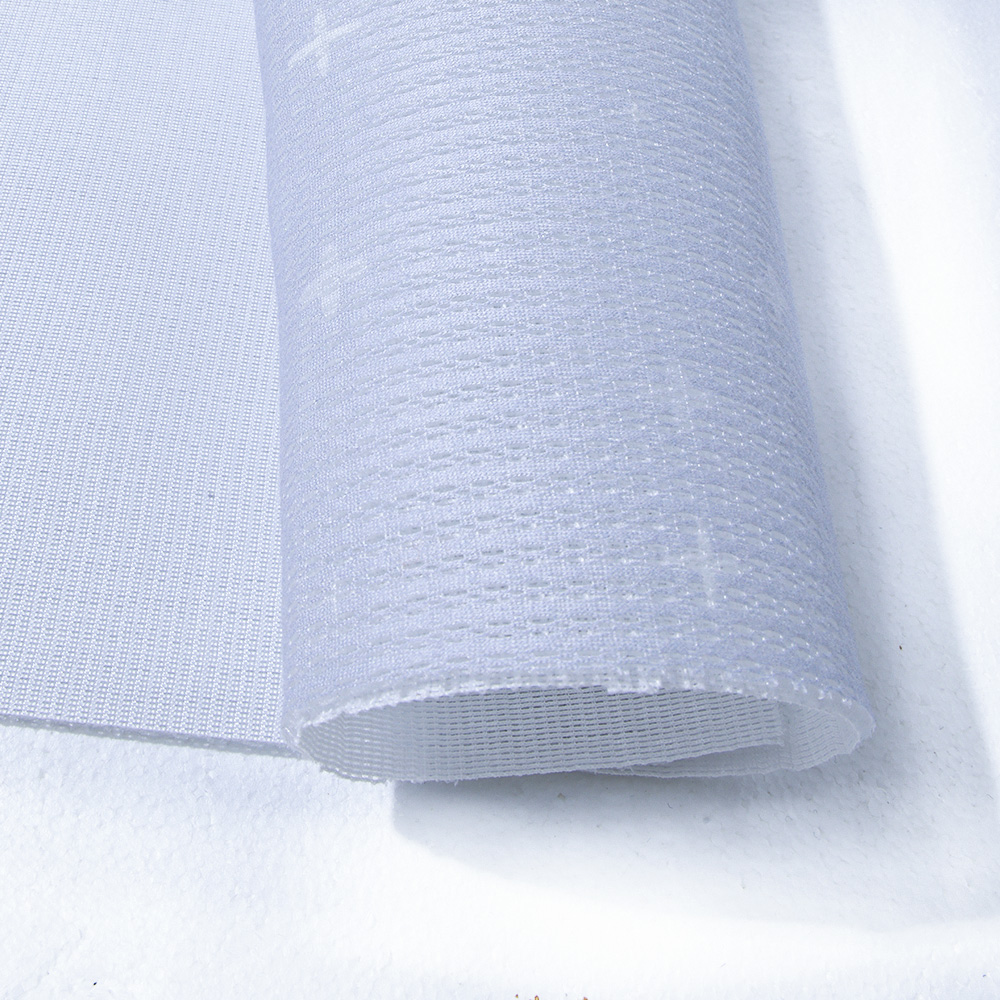
When developing baby products, bedding accessories, cushion surfaces, or pet mats, fabric selection is no longer only about softness or breathability. Many brands also need a material that looks ready for consumer-facing products.
This is where printed Tencel 3D spacer mesh fabric becomes valuable. By combining a lyocell-blend surface with a three-dimensional spacer structure and printed designs, the fabric can offer both functional performance and greater flexibility in product appearance.
For buyers who are still comparing different natural-blended spacer materials, our previous article on natural blended spacer fabrics for baby product development provides a broader overview of lyocell, cotton, linen, and other blend directions.
For a closer look at how this type of 3D mesh construction can be used in baby products, you can also read our article on Tencel 3D mesh fabric for baby gear.
1. What Is Printed Lyocell 3D Spacer Mesh Fabric?
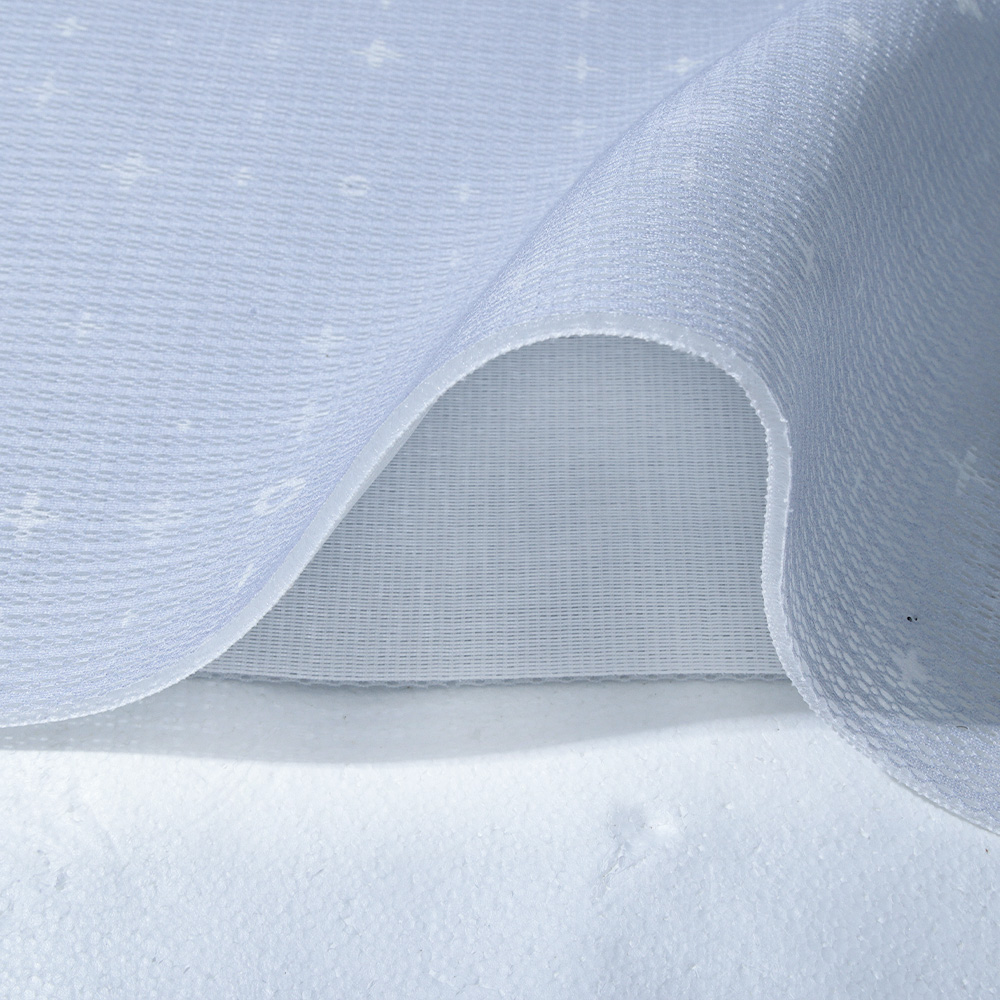
Printed lyocell 3D spacer mesh is a three-dimensional knitted spacer fabric with a lyocell-containing surface and printed patterns on the visible face.
The printed surface adds another design element without changing the basic role of the spacer construction.
Lyocell and TENCEL™ Options
Lyocell is the main fiber direction used in the fabrics discussed in this article. For buyers who specifically require branded fibers, we can also discuss fabrics using TENCEL™ Lyocell.
When a project requires verified TENCEL™ fiber content, we can provide the relevant authorization or certification information, including the applicable certificate or authorization code for verification.
2. The Commercial Value of Custom Prints
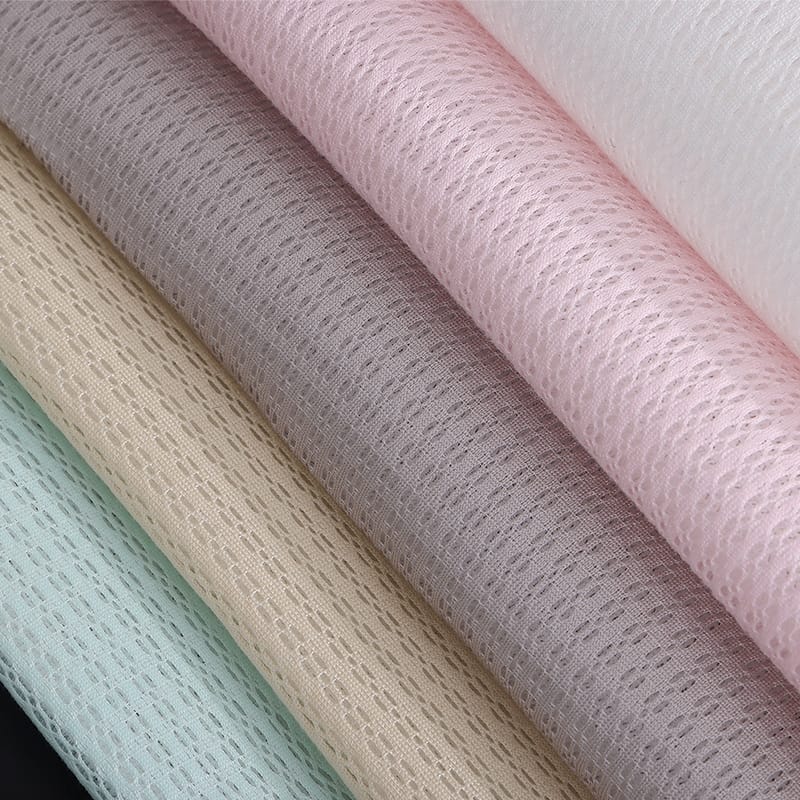
As explored in our analysis of natural-blended spacer fabrics in baby product development, the market has already accepted sustainable, skin-friendly fiber blends as the benchmark for luxury juvenile products. However, basic solid neutrals (white, heather grey, oatmeal) have saturated the market.
Adding custom patterns transforms a technical textile into an emotional, high-margin lifestyle product:
Instant Brand Recognition: Exclusive in-house prints make baby gear instantly identifiable on social media without relying solely on stitched logos.
Elevated Perceived Value: Intricate patterns distract from the industrial look of open-pore mesh, giving strollers, crib mattresses, and sleep positioners a finished, high-end upholstery look.
3. Printing and Surface Development
Different printing methods can be used depending on the surface fiber composition, pattern requirements, order quantity, and performance target.
For lyocell-blend spacer fabrics, the appropriate printing route should normally be confirmed after reviewing the actual fabric construction.
Rather than selecting a printing method based only on appearance, buyers should also consider:
surface handfeel
color fastness
washing requirements
print durability
testing standards
For B2B development, these points are usually confirmed during sampling rather than at the initial inquiry stage.
If a buyer already has artwork or a target design direction, we can review whether it is suitable for the selected spacer fabric.
4. High-Growth Product Applications
Printed lyocell spacer mesh can be considered for products where the fabric is both functional and visually exposed.
Typical development directions include:
baby product surfaces
stroller and seat pads
pillow and cushion surfaces
bedding accessories
children’s textile products
pet mats
breathable home textile products
The exact fabric specification should still be selected according to the final product. For example, a pillow surface and a seat pad may require different thickness, resilience, surface softness, and weight.
5. What Buyers Should Confirm Before Sampling
Before starting a printed lyocell spacer fabric project, buyers do not need to provide a complete technical specification.
In many cases, the following information is enough for the initial discussion:
intended product
position of the fabric in the finished product
preferred surface material
approximate thickness or handfeel
whether the fabric directly contacts the skin
whether a custom print is required
target market or testing requirements
estimated order quantity
From this information, suitable existing samples can usually be shortlisted first. After sample evaluation, details such as fabric weight, thickness, print design, surface composition, backing structure, and testing requirements can be refined.
This is also the development approach discussed in our article on natural blended spacer fabrics for baby product development.
6. An Existing Printed Lyocell Spacer Fabric Option
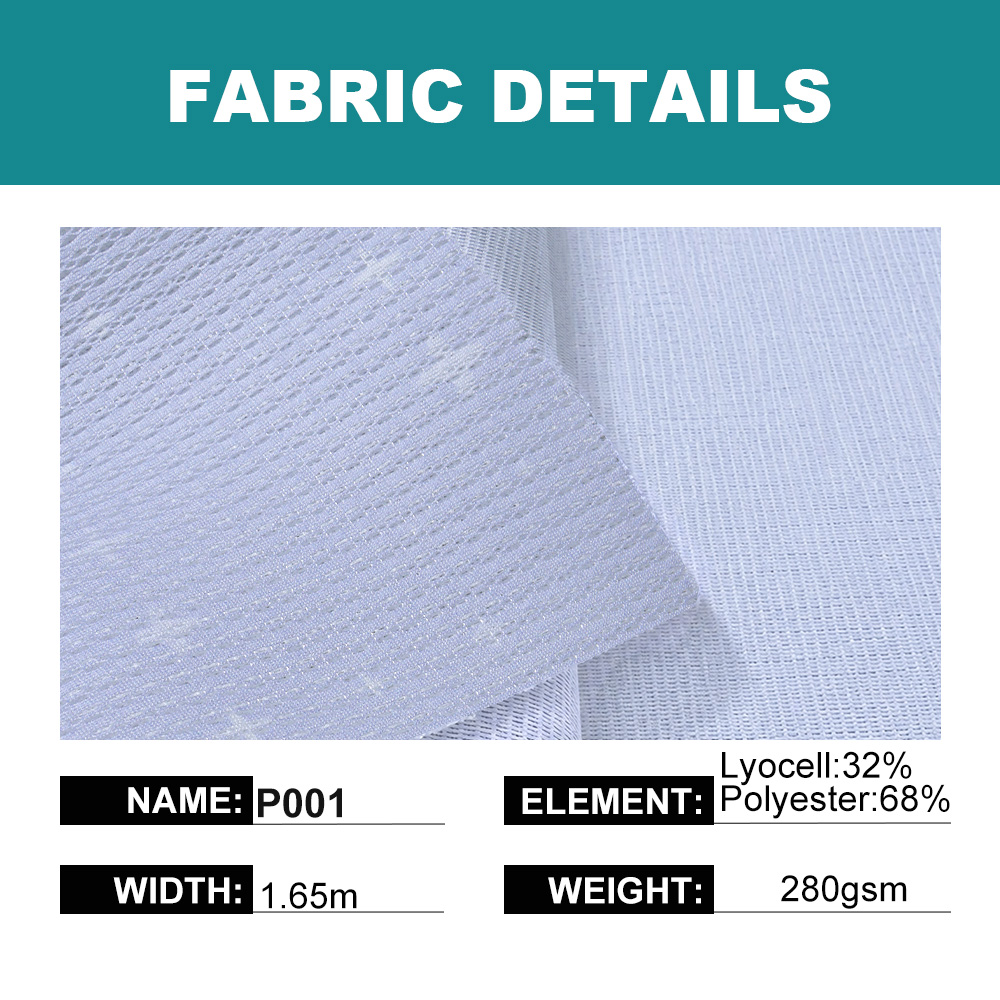
For buyers who prefer to start with an existing fabric rather than develop a custom print from the beginning, we currently offer a printed lyocell 3D spacer mesh fabric P001 that can be used as a starting point for product evaluation.
Instead of defining every specification at the initial stage, buyers can first review the existing fabric sample and evaluate its handfeel, thickness, appearance, and overall structure. If the base fabric is suitable, further adjustments to the print, color, weight, thickness, or other specifications can then be discussed according to the final product.
For projects requiring branded fiber options, TENCEL™ Lyocell versions can also be discussed, with relevant authorization or certification information available for verification.
Combine Aesthetics and Airflow in Your Next Collection
With printed Lyocell spacer mesh, you can give parents everything they want: the proven breathability of 3D air mesh, the certified comfort of Lyocell, and the distinctive visual identity of your brand’s custom artwork.
Whether you are looking to source our standard Lyocell mesh or require fully certified TENCEL™ Lyocell production with custom reactive print development, our engineering team is here to help.
Ready to start developing? Contact our technical sales team today to request a custom printed Lyocell spacer mesh swatch kit or discuss your upcoming OEM/ODM specifications.
Can the printed design be customized?
Yes. Custom print development can be discussed based on the selected base fabric, artwork, pattern size, color requirements, MOQ, and final application.
Does printing affect breathability?
The spacer structure remains the main source of airflow within the fabric. However, the final performance can vary depending on the printing method, print coverage, and finishing process. For projects with specific air permeability requirements, testing on the actual printed fabric is recommended.
Can this fabric be used for baby products?
Yes. It can be considered for baby product development, depending on the final fabric specification, product design, testing requirements, and target market. We normally recommend selecting the base structure first and then confirming the necessary testing standards for the finished project.