
From Golf Simulator Screens to Multi-Sport Impact Protection
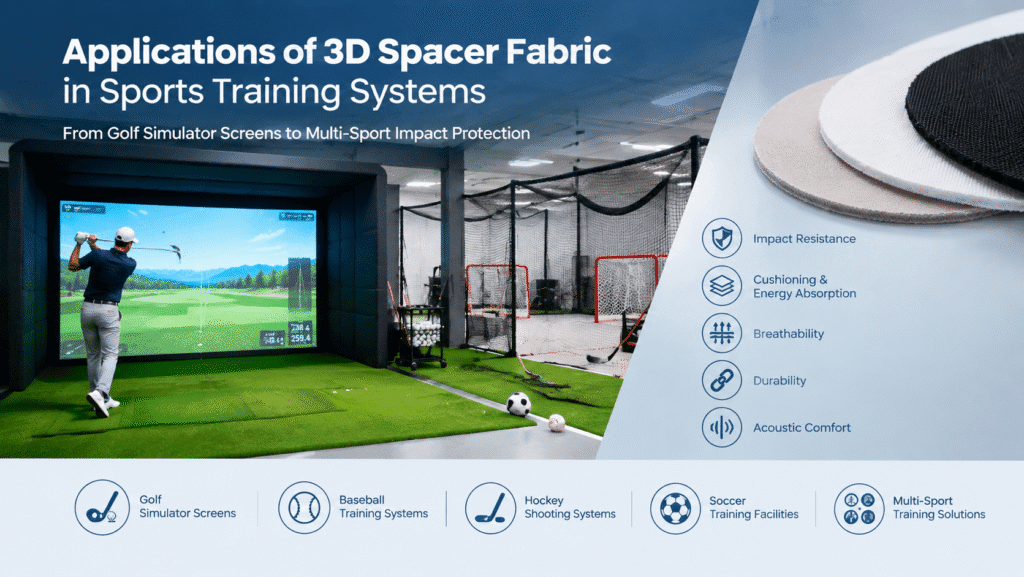
As sports training continues to move into indoor and technology-driven environments, textile materials are being asked to do more than simply cover or contain a training area. Depending on the system, a fabric may need to withstand repeated impact, manage rebound, provide long-term durability, control noise, or serve as part of a projection surface.
Golf simulator screens are one well-established example of this type of application. However, similar material requirements can also be found in baseball training, hockey shooting practice, indoor soccer, and multi-sport simulation facilities.
3D spacer fabric offers one potential solution. Rather than treating it as a material designed for a single finished product, it can be considered as a functional textile structure that can be engineered for different performance requirements.
Where Can 3D Spacer Fabric Be Used in Sports Training?
Different sports generate different types of impact, but many training systems share similar textile requirements. Instead of looking at each sport as a completely separate application, it is more useful to consider how the fabric functions within the overall training system.
Depending on the system design, 3D spacer fabric may be considered for several types of sports training applications.
Impact and Ball-Strike Screens
One of the most direct applications is a training screen designed to receive repeated impacts from balls or other sports equipment.
Golf simulator screens are a well-established example. And similar requirements can also appear in baseball batting systems, hockey shooting practice, and other impact-based training equipment.
Although the impact characteristics vary between applications, the textile may need to provide a combination of:
Resistance to repeated impact
Structural durability
Controlled rebound
Tear resistance
Long-term performance
In these applications, 3D spacer fabric can be considered when the system benefits from a three-dimensional cushioning structure rather than relying on a conventional single-layer textile alone.
The exact fabric specification should be matched to the impact object, impact frequency, screen dimensions, mounting structure, and intended service environment.
Ball Containment and Safety Barriers
Not all sports textiles are used primarily as impact screens. In many training environments, fabric is also used to contain balls, separate training areas, or provide a protective barrier around players and equipment.
Indoor soccer, baseball training facilities, multi-sport centers, and other recreational environments may require textile barriers that can withstand repeated contact while remaining lightweight and flexible enough for installation.
For these applications, material selection may focus more on:
Containment performance
Tear and abrasion resistance
Flexibility
Air permeability
Weight and installation requirements
Long-term durability
The role of the fabric is therefore not necessarily to stop a single high-energy impact, but to provide reliable separation and containment during repeated training activities.
Projection and Simulation Surfaces
Sports simulation systems create another category of textile application because the fabric may need to perform two functions at the same time: receive repeated impacts and provide a suitable visual surface.
Golf simulators are the clearest example, but the same concept can apply to other interactive or multi-sport training systems where projection or visual tracking is part of the equipment.
In these applications, the fabric may need to balance:
Impact resistance
Rebound control
Surface appearance
Projection characteristics
Dimensional stability
Acoustic considerations
Long-term durability
This is one reason why sports simulation screens should be treated as engineered textile components rather than simply as large pieces of fabric.
Multi-Sport and Modular Training Systems
A growing number of indoor sports facilities are designed to support multiple training activities within the same space.
Instead of developing a dedicated textile for every individual sport, equipment manufacturers may look for a more versatile fabric platform that can be adapted to different system requirements.
This can include:
Multi-sport simulator systems
Modular training areas
Commercial sports centers
Interactive sports equipment
Custom training installations
In these environments, 3D spacer fabric can be considered as part of a broader functional textile platform. Different fabric constructions, thicknesses, surface materials, and structural properties can be evaluated according to the requirements of each system.
The key principle is that the application should determine the fabric structure—not the other way around.
Whether the system is designed for golf, baseball, hockey, soccer, or multiple sports, the appropriate textile depends on how the fabric is expected to perform within the complete training system.
Why Consider 3D Spacer Fabric for Sports Applications?
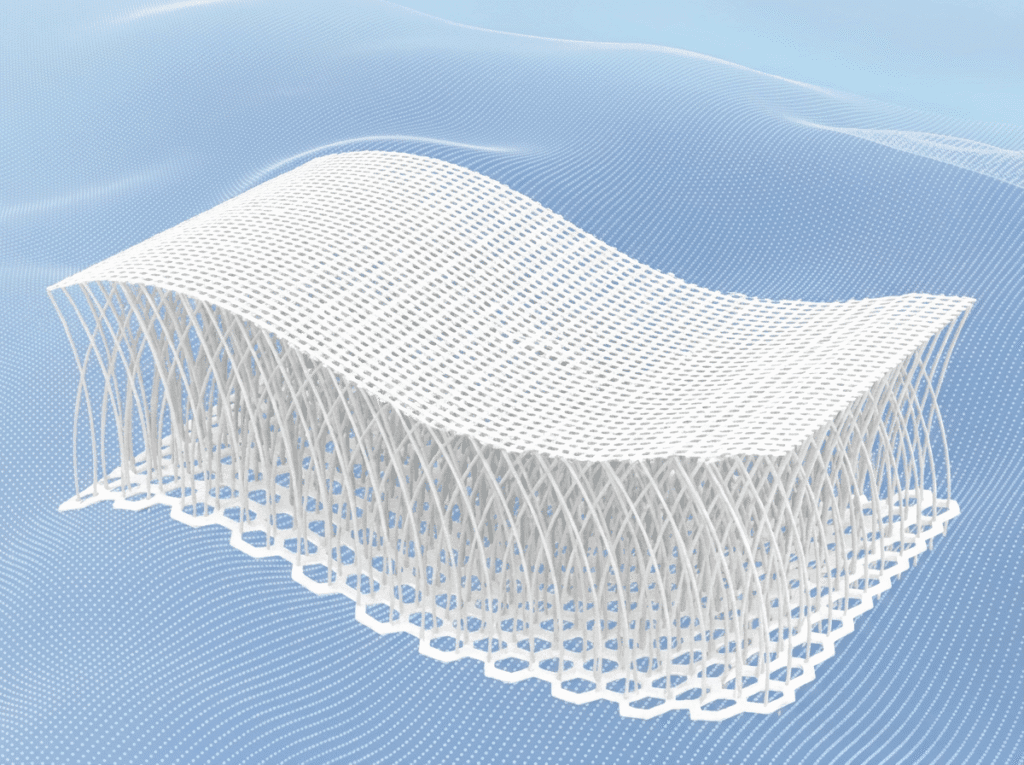
The value of 3D spacer fabric in these applications is not simply its thickness. Its three-dimensional construction creates an internal spacer layer between two textile surfaces, giving the fabric a combination of cushioning, resilience, and airflow that conventional single-layer constructions do not provide in the same way.
However, not every sports training system automatically requires a 3D spacer construction.The appropriate structure depends on the final application, impact conditions, required performance, and manufacturing process.
Thickness and Structural Customization
3D spacer fabrics are available in different thicknesses, weights, surface constructions, and material combinations.
The right specification depends on factors such as:
Required cushioning
Flexibility
Weight
Air permeability
Compression recovery
Sewing or lamination requirements
Final product dimensions
This is why a fabric should not be selected by thickness alone.
Two fabrics with the same nominal thickness can behave differently depending on yarn type, spacer-yarn density, surface structure, weight, and finishing method.
For a more detailed discussion of how thickness affects different 3D mesh applications, see our guide to [internal link: choosing the right 3D mesh thickness].
Choosing Between Single-Layer and 3D Spacer Fabric
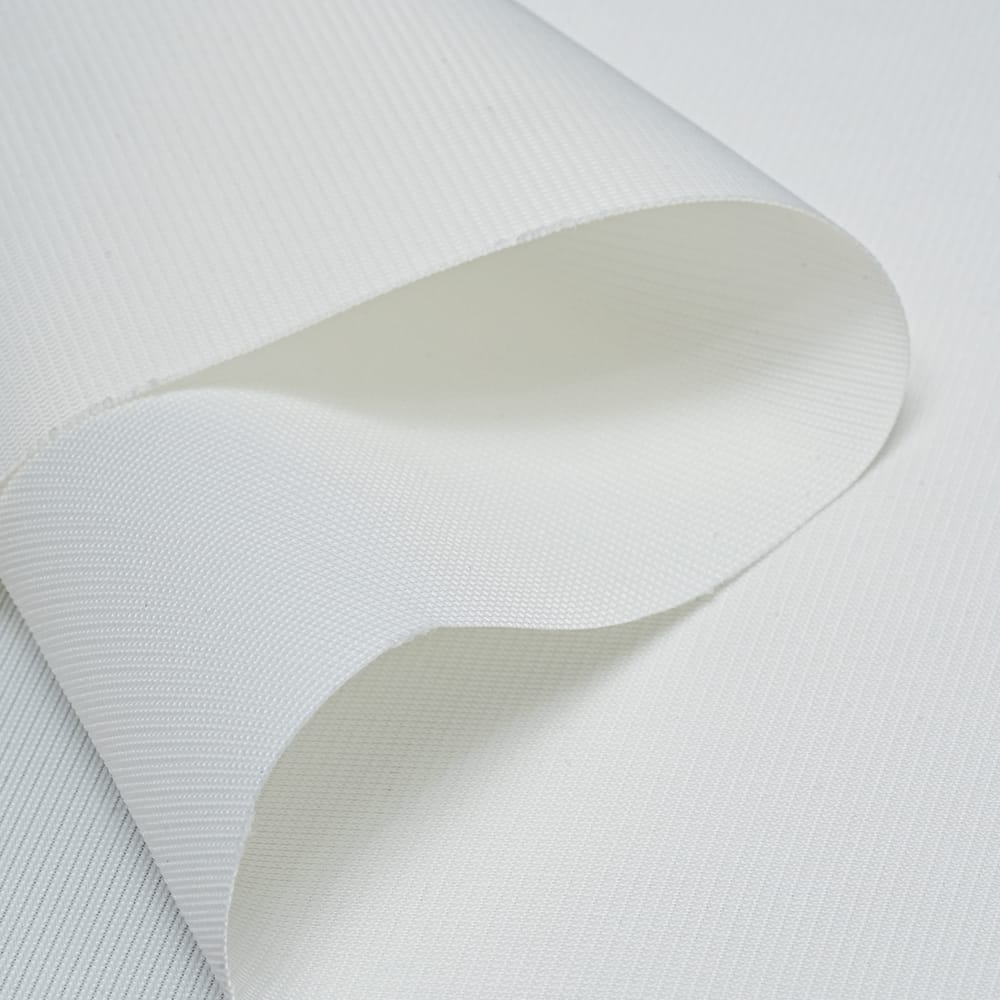
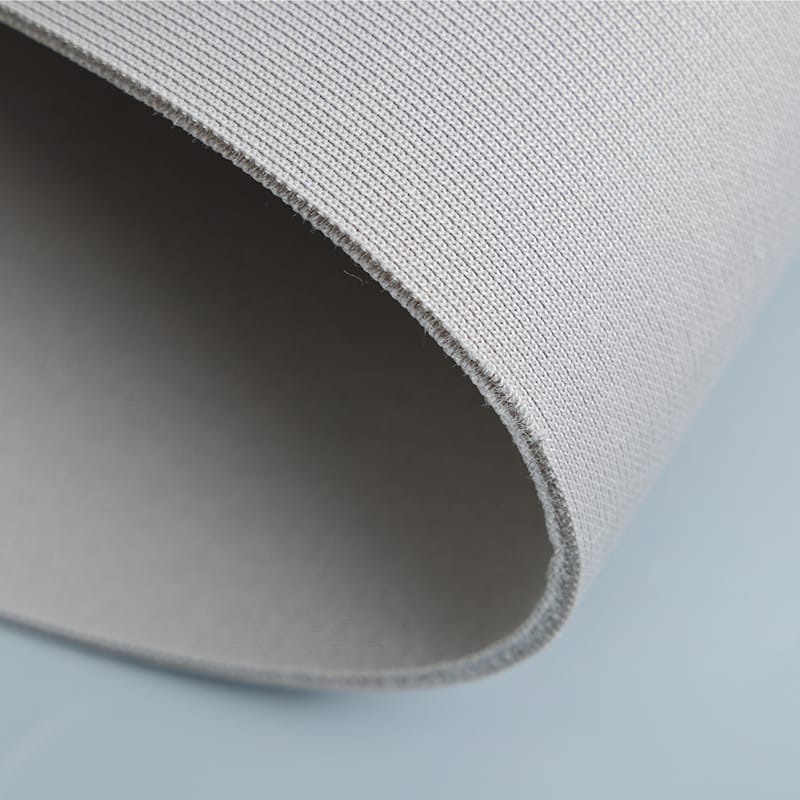
A common misconception is that a more advanced textile structure is always the better choice.
In practice, different applications require different materials.
A lightweight, cost-sensitive training system may not require the same construction as a professional commercial simulator exposed to frequent high-energy impacts.
When Single-Layer Fabric May Be Suitable
Single-layer fabrics can be considered when the project prioritizes:
Lightweight construction
Cost efficiency
Simple installation
Basic impact applications
Projection performance
Lower-frequency recreational use
For some applications, a single-layer construction can provide an effective balance between performance and cost.
When 3D Spacer Fabric Becomes More Valuable
A 3D spacer construction may become more attractive when the application places greater emphasis on:
Repeated impact
Cushioning
Controlled rebound
Acoustic comfort
Long-term structural performance
Premium sports simulation environments
The choice should ultimately be based on the complete system requirements rather than simply selecting the thickest or most complex fabric.
A Simple Fabric Structure Comparison
| Requirement | Single-Layer Fabric | 3D Spacer Fabric |
|---|---|---|
| Lightweight construction | ✓ | △ |
| Cost-sensitive systems | ✓ | △ |
| Basic impact applications | ✓ | ✓ |
| Repeated high-impact use | △ | ✓ |
| Cushioning structure | — | ✓ |
| Acoustic considerations | Limited | Better suited |
| Premium sports simulation | △ | ✓ |
Actual performance depends on fabric construction, installation method, impact conditions, and system design.
For projects that require a ready-made impact-screen solution, you can also explore our [Golf & Tennis Impact Screen Fabrics] to review different fabric constructions and identify an option suitable for your application.
Before Selecting an Impact Fabric for Your Sports Training System
Before choosing a textile, sports equipment manufacturers and system designers can work through several basic questions.
1. Identify the Impact Source
What will strike the fabric?
Golf ball
Baseball
Hockey puck
Soccer ball
Other training equipment
The object itself can have a major influence on material requirements.
2. Evaluate Impact Frequency
Will the fabric be used occasionally, daily, or continuously in a commercial facility?
High-frequency applications generally require more attention to durability and repeated-impact performance.
3. Define Safety Requirements
Consider:
Rebound distance
Player position
Screen dimensions
Mounting method
Surrounding space
The fabric should be evaluated as part of the complete safety system.
4. Consider Environmental Requirements
Depending on the installation, additional requirements may include:
Noise control
Projection performance
Light transmission
Fire resistance
Weight
Indoor or outdoor exposure
5. Select the Appropriate Fabric Structure
After defining the application requirements, determine whether a single-layer, reinforced, or 3D spacer construction is appropriate.
For 3D spacer fabrics, factors such as thickness, GSM, yarn type, surface structure, and compression characteristics should be evaluated together.
6. Test the Material Under Realistic Conditions
A fabric specification should not be selected from a datasheet alone.
For high-impact applications, sample testing under representative conditions is recommended before finalizing the material.
Testing can help evaluate:
Impact response
Rebound
Tear resistance
Surface stability
Noise
Long-term durability
From Golf Screens to Broader Functional Sports Textiles
Golf simulator screens demonstrate how textile engineering can become an important part of modern sports technology. But the underlying material requirements extend beyond golf. Baseball training, hockey practice, indoor soccer, and multi-sport simulation environments can all present their own impact-management challenges.
Looking for the Right Fabric for Your Sports Training System?
If you are developing a sports training system and need to evaluate a suitable 3D spacer or impact-resistant textile, sharing the intended application, impact conditions, dimensions, and target performance can help determine an appropriate fabric structure.
Need a custom solution? Contact us to discuss your application and request a suitable fabric sample.