
The Client Profile & The Core Challenge
A European wearable medical device brand sent us a physical fabric sample developed by their previous supplier. They faced a critical roadblock with other medical textile companies: the post-dyeing flame retardant (FR) chemical coating caused the fabric to fail ISO 10993-5 cytotoxicity testing.
Why Standard Off-the-Shelf Fabrics Failed
Traditional factories rely on post-production chemical coating baths to achieve FR ratings quickly and cheaply on basic medical fabric. These surface-level chemicals rapidly leach out when exposed to human sweat, leading directly to severe cell death in in-vitro testing environments.
Unlike disposable medical cloth bandage materials or traditional medical cotton fabric, reusable 3D spacer mesh requires almost permanent structural stability. Furthermore, this topical FR application degrades over time, causing the fabric to lose its critical flame-retardant properties after standard medical laundering cycles.
Our Process: Custom Engineering & Adjustments
Our R&D team analyzed the failed sample and immediately pivoted away from standard topical treatments. To achieve simultaneous FR and biocompatibility compliance for this medical fabric material, we rigorously evaluated three distinct technical pathways.
Our engineering evaluation process included:
Option 1: Polyetherimide (PEI) Integration. Using this high-end biomedical textile polymer guarantees excellent biocompatibility and innate flame resistance. However, the exceedingly high raw material cost made mass production commercially unviable for this specific project.
Option 2: Intrinsically Flame-Retardant (IFR) Yarn (The Selected Solution). We engineered the mesh from the yarn level up using eco-friendly IFR polyester, where the FR properties are permanently embedded into the polymer matrix. This ensures almost permanent performance with absolutely zero chemical leaching.
Option 3: Reactive Eco-Friendly FR Agents & Deep Scouring. We tested bonding reactive FR agents to standard textiles, followed by extensive deep-water scouring. While this improved skin safety, lot-to-lot chemical consistency remained volatile under strict ISO 10993-5 parameters.
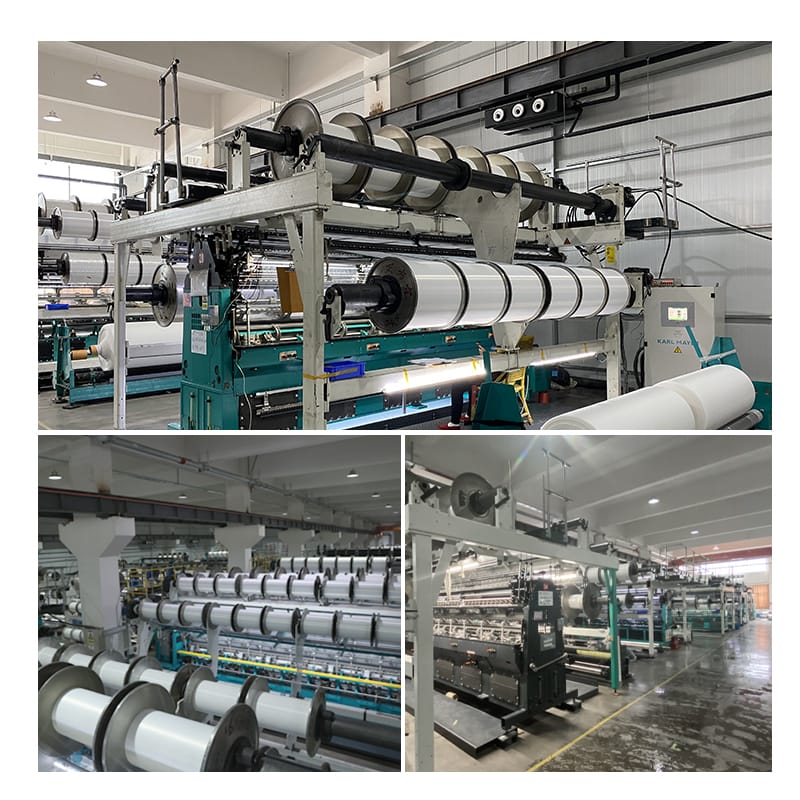
By finalizing Option 2, we utilized our German Karl Mayer machines to knit the optimized IFR monofilament structure. This specific approach guaranteed chemical stability while strictly maintaining the required airflow and compression resistance.
The Final Result: Passing Strict Standards & Mass Production
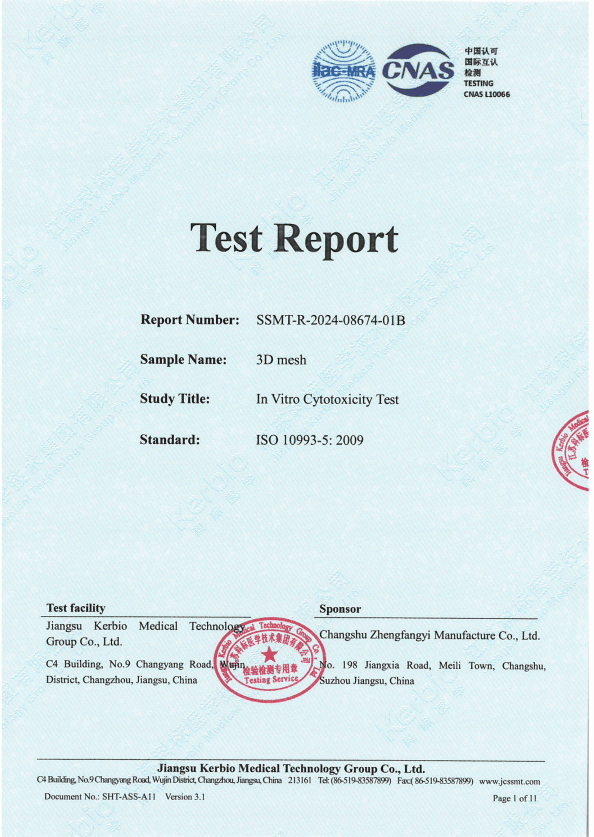
The final medical textile successfully passed both rigorous testing protocols simultaneously. Our client received verified third-party laboratory reports confirming absolute physical and chemical compliance.
Testing milestones achieved:
Passed ISO 10993-5 (In Vitro Cytotoxicity) with zero adverse cellular reactions.
Maintained strict FR compliance with EN 1021-1 (Smoldering Cigarette) and EN 1021-2 (Match Flame Equivalent) testing standards.
Successfully scaled to a continuous monthly mass production volume of 20,000 meters.
Our Recommended Medical 3D Mesh Solutions
The engineers specific 3D spacer mesh models for distinct medical device components. Our product catalog provides targeted healthcare textiles tailored to precise load-bearing and skin-contact requirements.
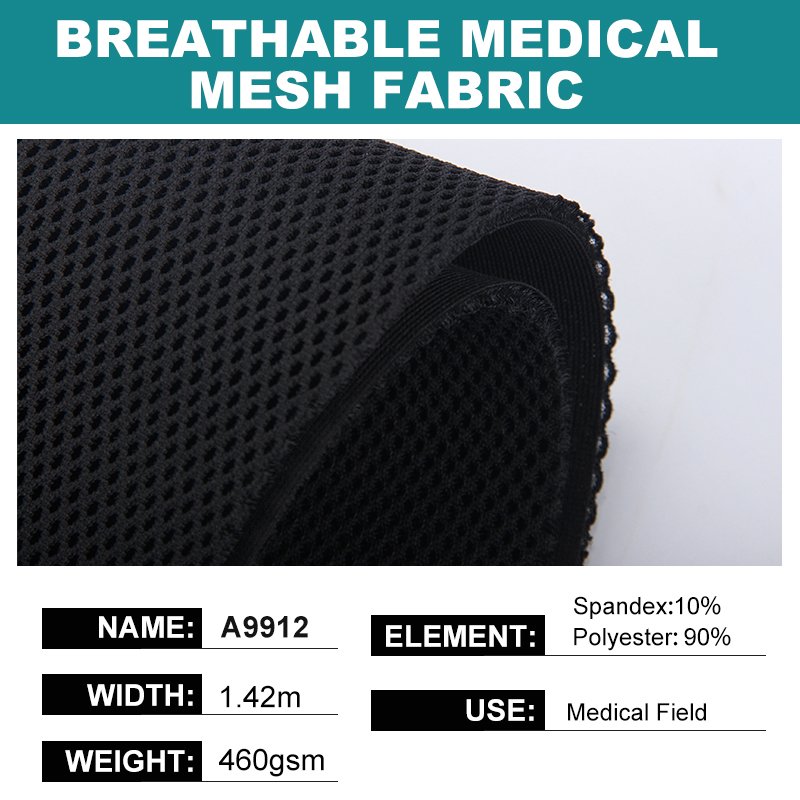
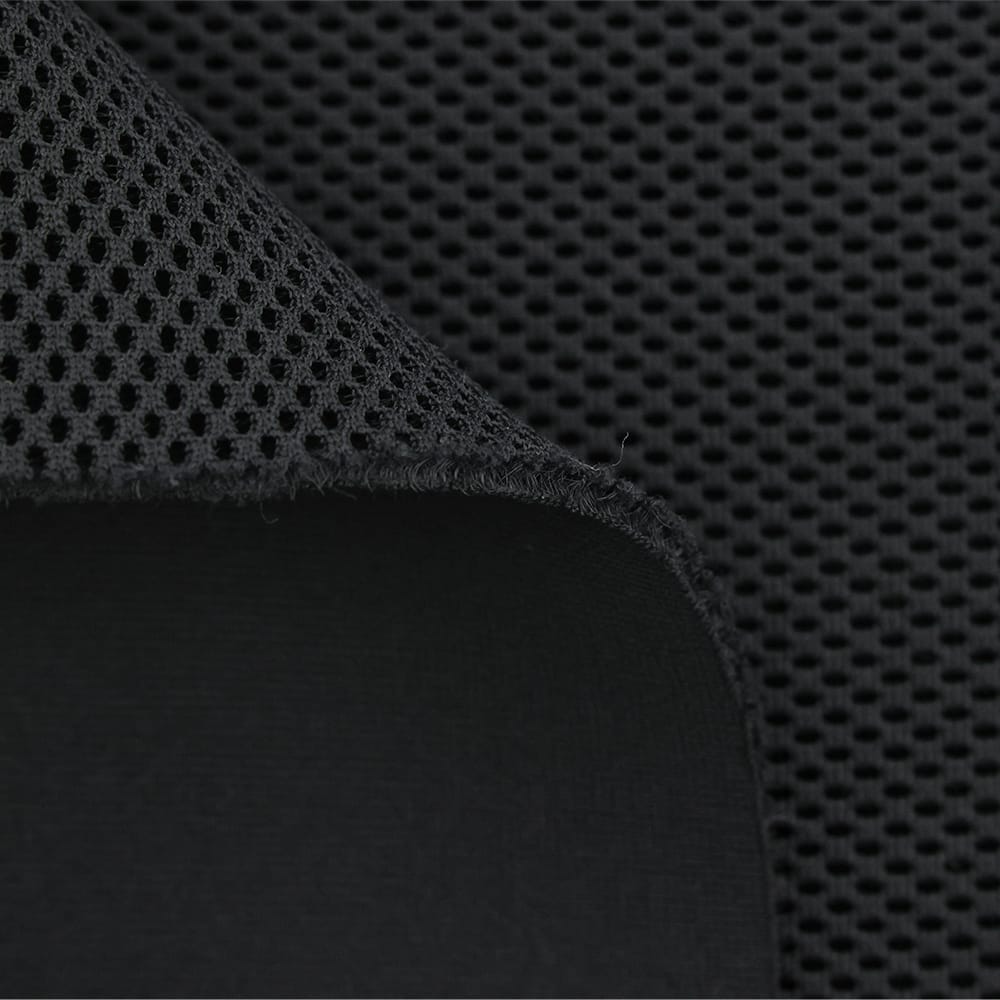
Orthopedic Brace & Support Solutions (A9912 Model):
Dynamic Recovery Mesh: This specialized orthopedic fabric provides high-stretch recovery and continuous multidirectional ventilation for wearable joints.
Friction Reduction: Its structural integrity prevents skin chafing and shear forces during rigorous physical rehabilitation movements.
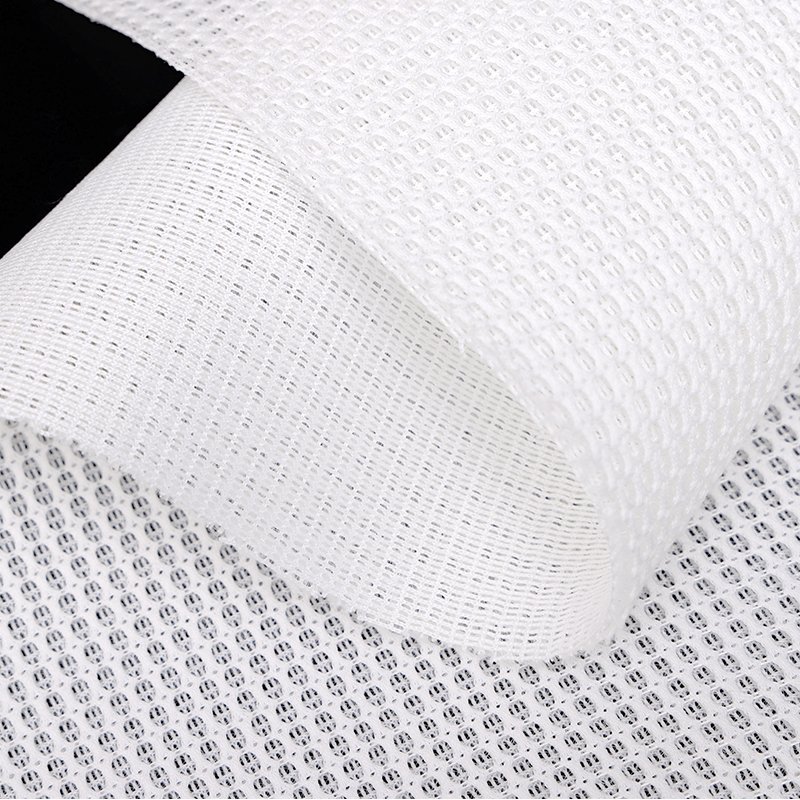
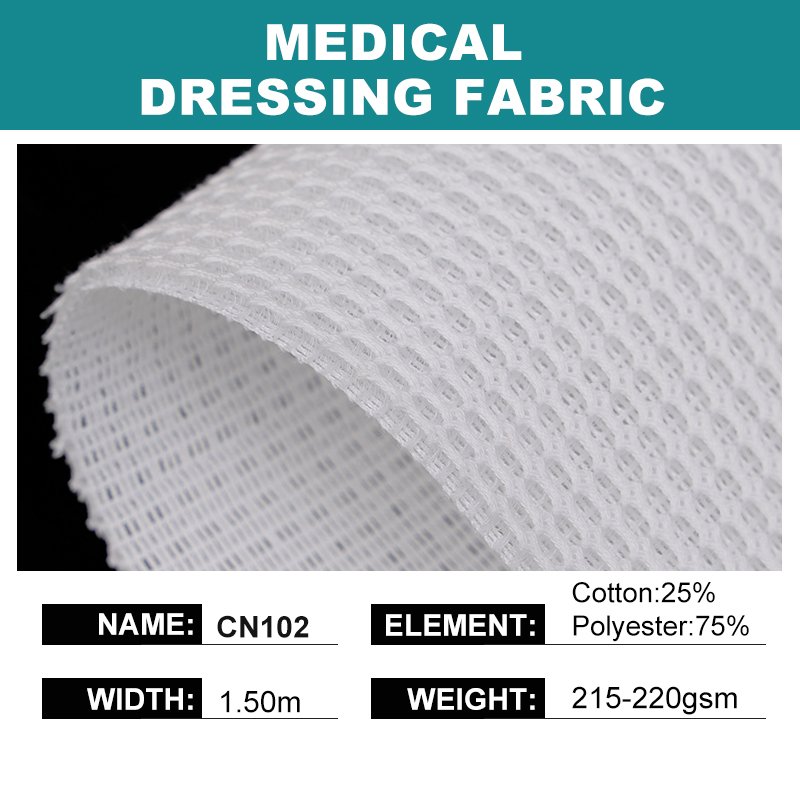
Medical Dressing Solutions(CN102 Model):
Breathable Micro-Mesh: Engineered with an ultra-soft surface, this variant serves as an ideal base for medicated fabric applications in sensitive wound care environments.
Moisture Control: It can be customized into an antimicrobial mesh fabric utilizing a highly porous knit to ensure maximum breathability and continuous moisture wicking.
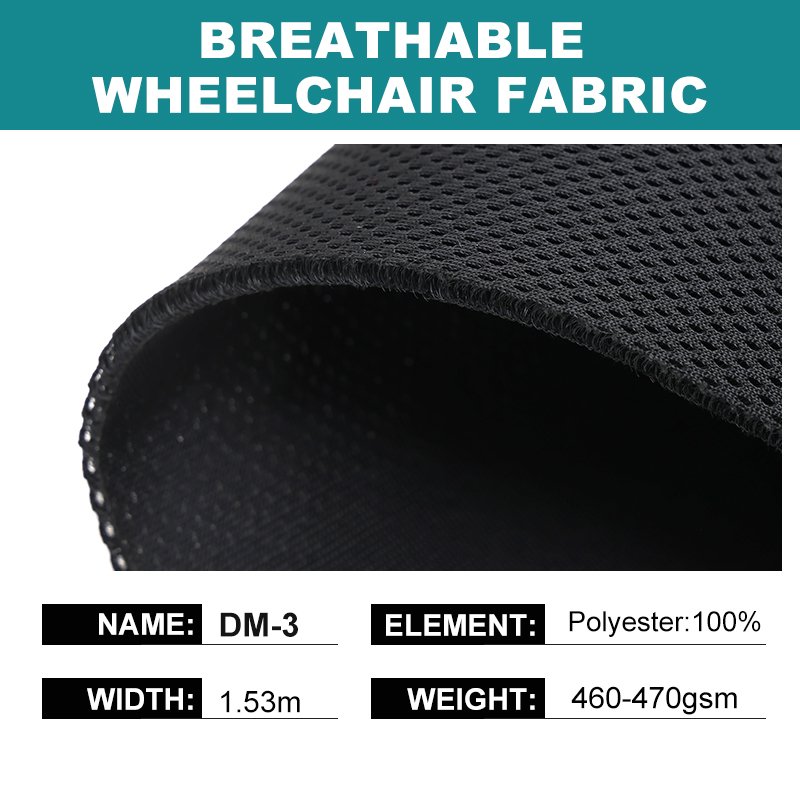
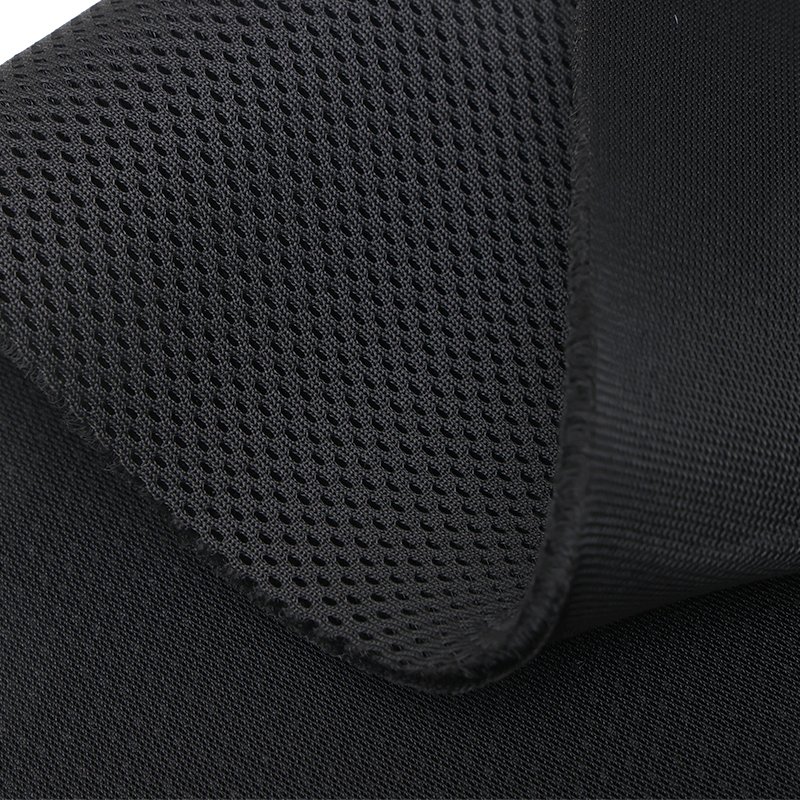
Wheelchair Cushion Solutions(DM-3 Model):
High-Density Support: Incorporates a dense monofilament layer for optimal heavy load distribution across the seating area.
Impact Cushioning: Maintains excellent loft and shock absorption under maximum patient weight to actively prevent decubitus ulcers.
Click here to check more spacer mesh fabrics.
The "Industry & Trade Integrated" Advantage
The supply chain for medical textile materials and healthcare fabrics is complex, and relying on middlemen often leads to communication breakdowns. As a true factory, ZFY controls the entire process from yarn to the final warp knitting structure.
While our primary focus is wearables rather than implantable medical textile products, we apply the same rigorous mindset to our quality control. We standardize this successful IFR knitting formulation to guarantee precise lot-to-lot consistency for all ongoing orders.
Precision Engineering with German Karl Mayer Technology
As one of the dedicated medical textile manufacturers and healthcare fabric manufacturers, we rely exclusively on authentic German Karl Mayer double-needle bar warp knitting machines. This advanced equipment allows us to manipulate the spacer yarn structures with sub-millimeter precision.
By controlling the exact distance between the top and bottom fabric faces, we engineer precise compression rates directly into the knit. This eliminates the need for post-production chemical stiffeners that often compromise biocompatibility test results.
Global Compliance & Quality Control
Every custom batch we produce undergoes strict in-house quality control testing before shipment.
Bring Us Your Toughest Fabric Challenges
Stop wasting time with generic brokers and partner with direct medical fabric manufacturers who speak the precise language of ISO and EN compliance.
Send us your failed physical samples or strict technical specification sheets today. We will provide a comprehensive engineering review within 48 hours and fast-track your custom prototyping to get your project back on schedule.
Frequently Asked Questions (FAQ)
Is the flame-retardant property stable after repeated washing?
Yes, because we strictly use intrinsically flame-retardant (IFR) yarns, the protective properties are built directly into the polymer matrix. The fabric retains its full EN 1021 ratings and ISO 10993-5 biocompatibility even after repeated laundering.
How long does custom R&D sampling take for technical fabrics?
Our standard R&D sampling lead time is 10 to 15 business days. This timeframe includes specialized yarn sourcing and precise machine calibration.
Can you match the thickness of our existing spacer mesh?
Yes, our Karl Mayer machines can precisely adjust the monofilament gap. We can engineer functional thicknesses ranging anywhere from 2mm to 60mm even more to meet your requirements.
What is your MOQ for custom medical-grade spacer fabrics?
The minimum order quantity for customized R&D projects usually needs to be consulted with the technical department. We also offer phased trial runs to support your clinical validation process.