
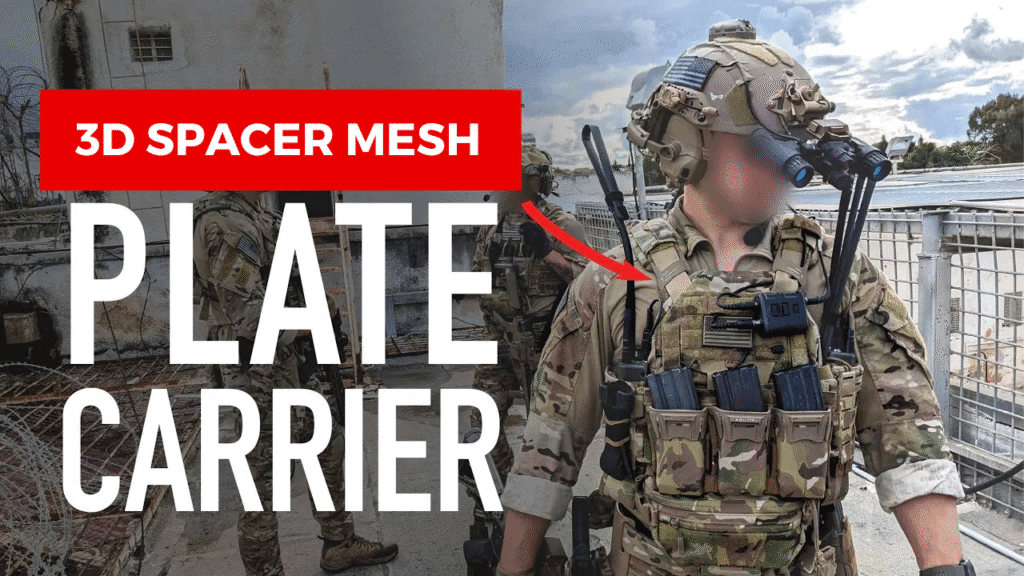
Industry Background & Pain Points of Traditional Materials
Modern tactical gear development heavily prioritizes eliminating pressure points and reducing the operator’s thermal burden. Traditional closed-cell foams fail in these areas by trapping heat and permanently compressing under the weight of ballistic plates.
For maritime or amphibious operations, standard backing fabrics act like sponges. They absorb water rapidly, adding critical dead weight to the operator and drastically reducing mission endurance.
What is 3D Spacer Mesh?
3D spacer mesh is a warp-knitted textile featuring two distinct fabric faces separated by a resilient micro-filament core. We manufacture this high-volume material specifically to provide structural ventilation and superior load carriage support.
This specialized fabric acts as a dynamic micro-climate controller between the rigid body armor and the user’s torso.
How is the Core Performance Achieved?
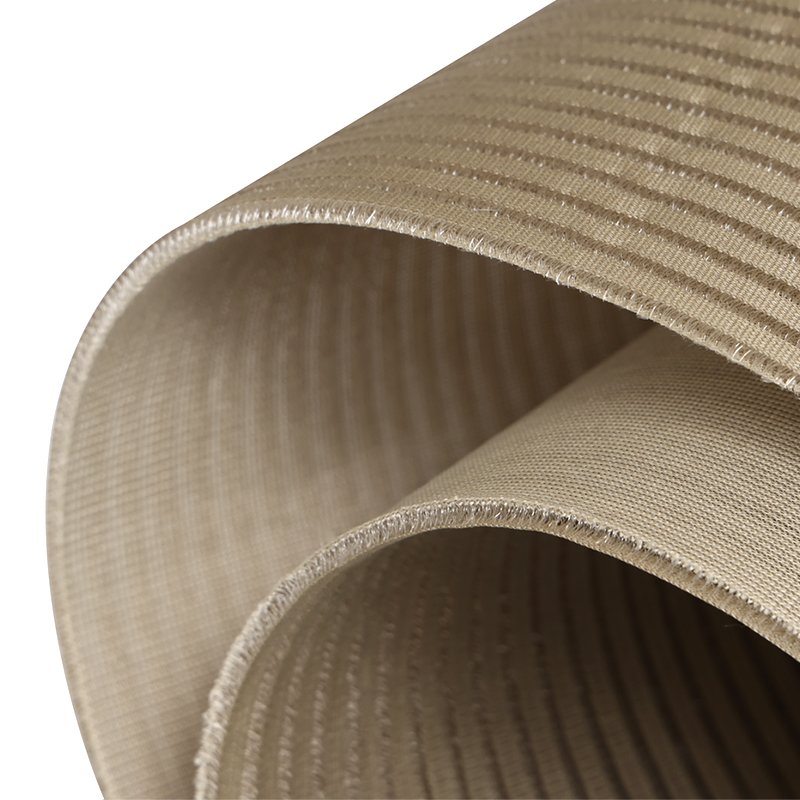
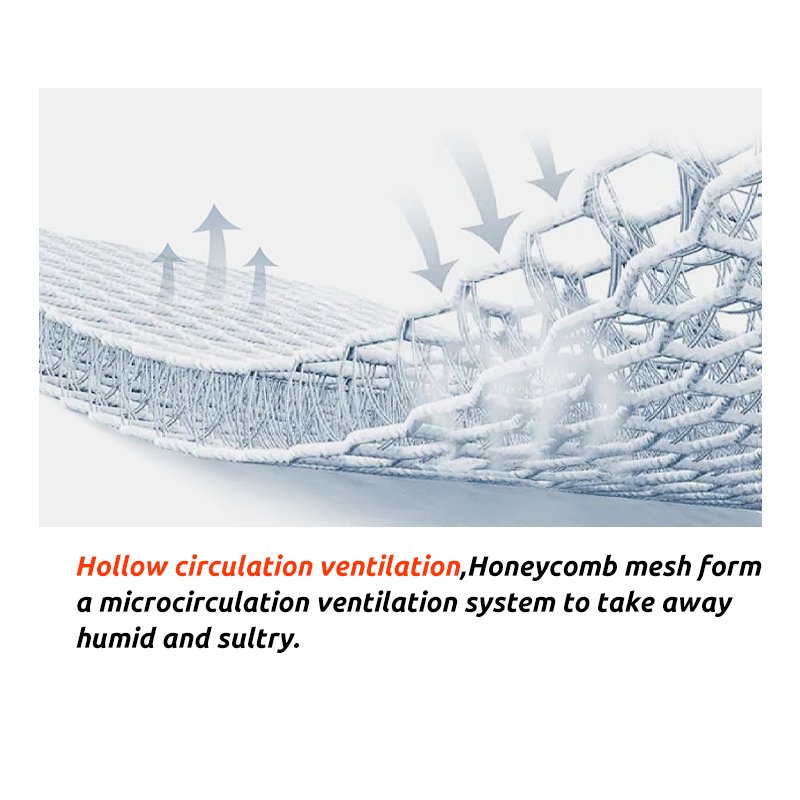
The core performance relies on vertically aligned, hydrophobic monofilament yarns that function as microscopic shock absorbers. These rigid synthetic yarns prevent the material from collapsing under heavy loads, ensuring continuous multidirectional airflow.
Because the open-cell geometric structure consists of non-absorbent synthetic fibers, water passes directly through the material. This architecture guarantees instant water drainage and rapid drying, which is mandatory for maritime tactical operations.
Real-world Application Scenarios in the Target Industry
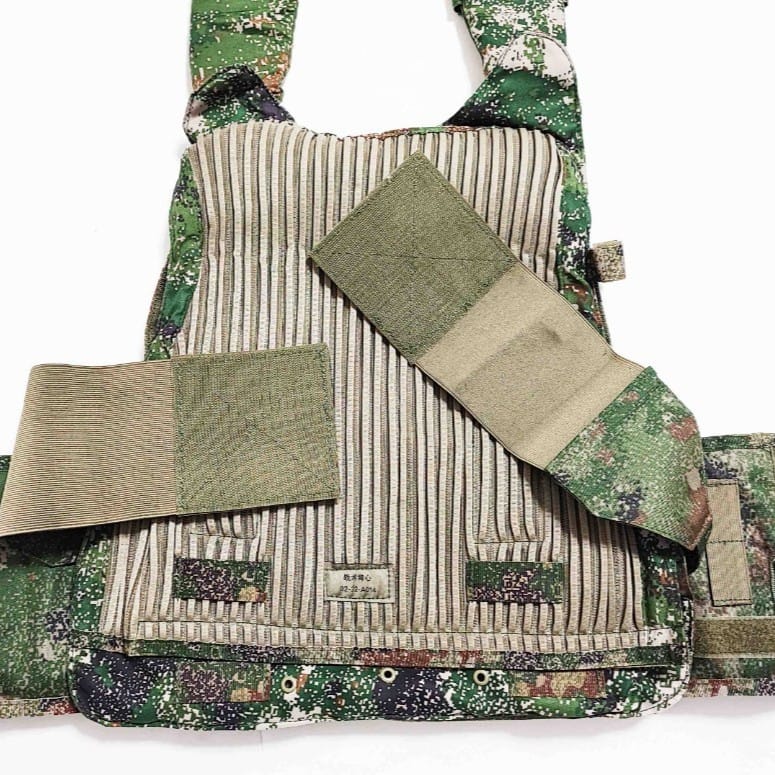
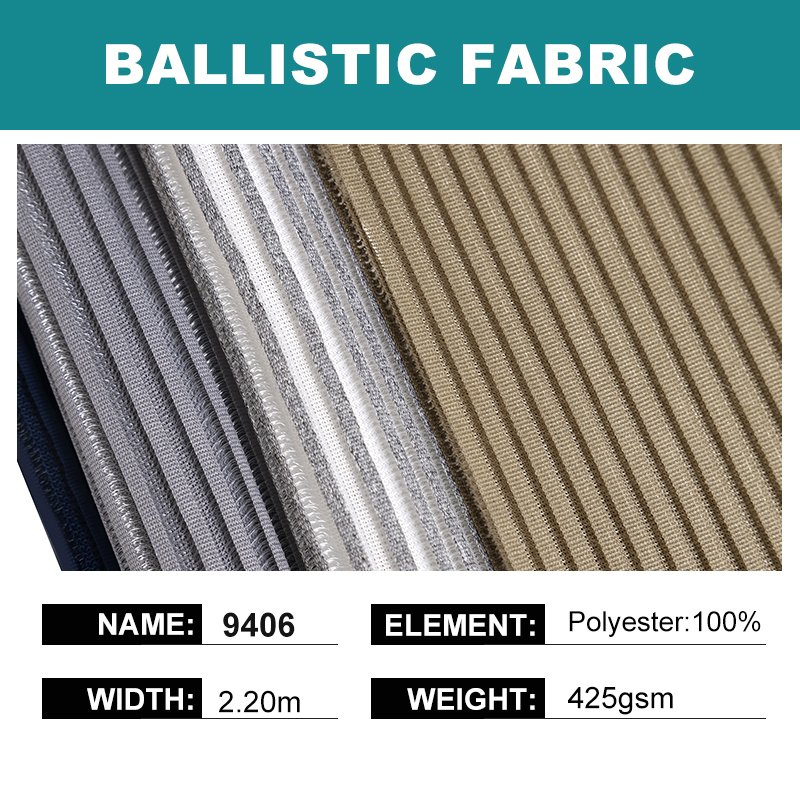
Structural Plate Carrier Backing: Manufacturers use our mesh to create a critical standoff distance behind the armor plates. This facilitates passive cooling and sweat evaporation without adding bulky fabric layers.
Heavy-Load Shoulder Pads: High-end vests utilize this mesh to distribute the focused weight of loaded magazines and plates. It effectively eliminates the severe nerve pressure points that operators experience during extended patrols.
Maritime Cummerbunds: Amphibious tactical gear relies on our open-architecture mesh for cummerbunds and side-plate pockets. This ensures rapid water shedding the moment an operator transitions from water to land.
3D Spacer Mesh vs. Traditional Materials
Selecting the appropriate backing material directly dictates the comfort, weight, and operational viability of a tactical vest. We compare our engineered 3D spacer mesh against closed-cell foam and standard 2D nylon mesh below.
| Material Feature | ZFY Hydrophobic 3D Mesh | Closed-Cell Foam (EVA) | Standard 2D Nylon Mesh |
|---|---|---|---|
| Water Retention & Drainage | Zero Retention / Instant Drain | Low Absorption / Slow Drying | High Absorption / Heavy |
| Load Distribution (Pressure Relief) | High (Dynamic Monofilaments) | Moderate (Prone to flattening) | Very Low |
| Active Breathability | Extremely High | Zero | Moderate |
| Structural Integrity | High (Maintains loft under load) | Low (Permanent compression set) | Low |
Certifications, Testing, Eco-friendliness & Compliance
ZFY Weaving subjects all tactical textiles to rigorous laboratory testing for tear strength, burst resistance, and UV degradation. We ensure every batch meets strict performance baselines before authorizing shipment to our defense and tactical manufacturing partners.
Our production facilities maintain OEKO-TEX Standard 100 certifications to guarantee skin-safe contact. For brands focused on sustainable military procurement, we also supply GRS-certified recycled 3D spacer mesh options.
Production Process & Quality Control Highlights
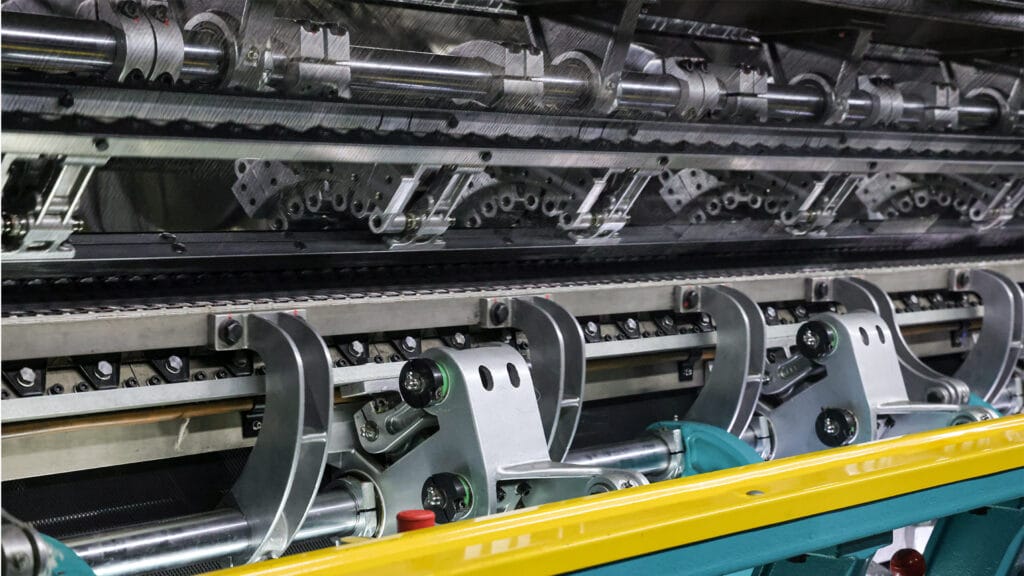
We operate advanced Karl Mayer double-needle bar warp knitting machines imported directly from Germany. This premium equipment guarantees precise thickness calibration and consistent structural tension across large-scale procurement orders. By controlling the entire manufacturing process in-house, we eliminate intermediary markups and ensure reliable quality.
OEM Projects
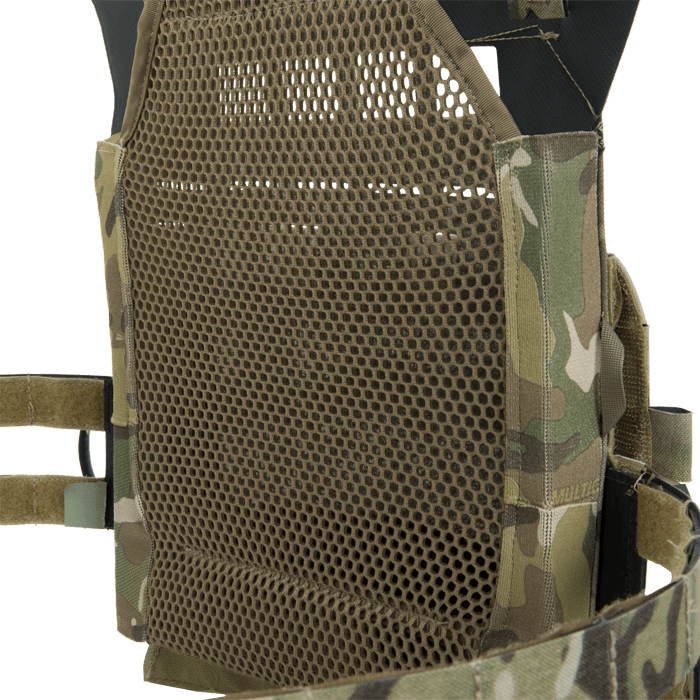
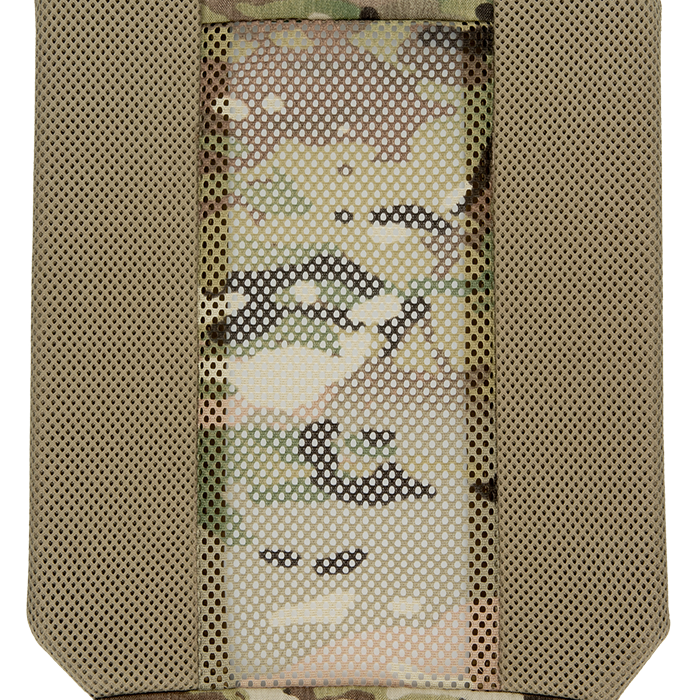
Premium OEM tactical brands demand strict adherence to military specifications, near-infrared (NIR) compliance, and precise color matching. These high-volume contracts require a supplier capable of maintaining absolute consistency across multi-year production runs.
If required, we are fully capable of providing the following customized services: flame retardant treatment (FR), near-infrared reflection control (NIR Compliant), antimicrobial and deodorizing treatment, and hydrophobic and quick-drying treatment.
Sample Requests, Bulk Procurement Support & Lead Times
We provide A4-sized physical samples for your design team’s prototyping and field evaluation. Sample packages are dispatched via DHL or FedEx within three business days.
For bulk wholesale orders, our standard production lead time ranges from 15 to 20 days. We offer tiered B2B pricing structures and dedicated account managers to streamline your global supply chain.
Conclusion
The tactical equipment sector is rapidly evolving toward ultra-lightweight, amphibious, and ergonomically optimized plate carriers. Integrating instant water draining, high-load-bearing 3D spacer mesh is now a fundamental requirement for premium gear design.
ZFY Weaving serves as the direct factory partner for brands demanding high-performance technical textiles. Contact our sales engineering team today to request free physical samples or to discuss custom OEM material specifications for your next tactical vest project.
Click here to check more 3D spacer mesh products.
Frequently Asked Questions (FAQ)
What thickness of 3D mesh is best for eliminating shoulder pressure points?
For heavy-load shoulder pads, we recommend a high-density 6mm to 8mm 3D spacer mesh. This thickness provides optimal monofilament compression travel to distribute weight evenly across the trapezius muscles.
Can you produce mesh that meets Near-Infrared (NIR) compliance for military contracts?
Yes, we can apply specific dyeing and finishing treatments to ensure our textiles meet standard NIR reflectance requirements. Please specify your required MIL-SPEC standards when contacting our procurement team.
Does your mesh retain water when submerged during maritime operations?
No, the hydrophobic synthetic yarns and open structural design prevent water from pooling or absorbing into the fibers. The material sheds water instantly upon surfacing, keeping the plate carrier lightweight and agile.