
Seat manufacturers are under pressure to solve the same complaints again and again: seats feel hot, sticky and uncomfortable after long hours of driving, gaming or office work. Traditional leather or PU materials look premium, but they trap heat and moisture. As a result, end users are actively looking for spacer mesh seat covers that stay cool, dry and supportive.
In this article, we introduce two high-performance spacer mesh fabrics designed specifically for modern seat covers: 9022-TZ and SF16-1. Both are engineered for professional B2B buyers who need reliable, scalable and repeatable quality for automotive, office and gaming seating projects.
Why the Market Is Moving Beyond Traditional Leather Seat Covers
For many years, leather and PU have been the default choice for premium seating. However, the market is changing fast. End users now expect:
Better temperature regulation
Less sweating during long sitting hours
Easier care and cleaning
More sustainable and skin-friendly materials
Conventional leather seats have limited air permeability and poor moisture management. They also tend to crack or peel over time. By contrast, a breathable spacer mesh fabric can keep air flowing between the body and the seat, while still offering strong mechanical performance and a modern look.
Therefore, many brands are switching to spacer mesh car seat fabric as their next standard for comfort and durability.
What Makes Spacer Mesh Seat Covers Different?
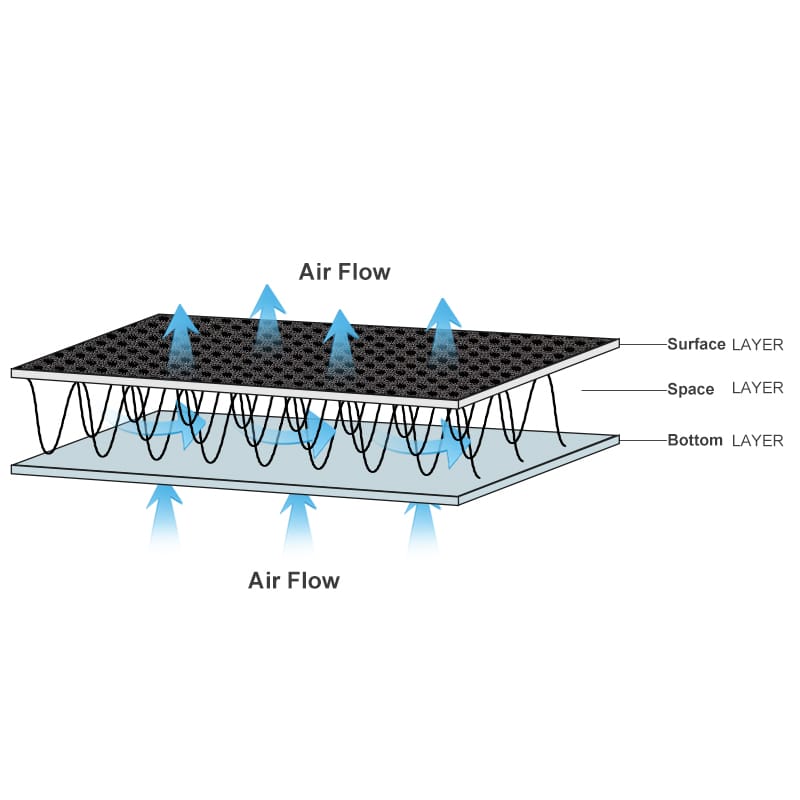
Spacer mesh is a special 3D knitted construction. It creates a stable thickness between the face and back layers using vertical pile yarns. This 3D structure brings several advantages:
Ventilation – The internal air layer works like a built-in air channel, helping heat and moisture escape.
Cushioning – The vertical yarns provide soft but supportive compression, ideal for seat pressure distribution.
Durability – High-tenacity polyester and engineered structures give excellent abrasion and fatigue resistance.
Design freedom – Surface patterns, colors and compositions can be customized for different branding needs.
For spacer mesh seat covers, this means cooler seats, less fatigue and a better overall user experience. Below we show how our two key fabrics answer different design requirements.
9022-TZ: Linen–Tencel Spacer Mesh Fabric for Premium Seating
Model: 9022-TZ
Width: 2.3 m
Weight: 310 gsm
Composition: 6% Linen, 38% Tencel, 56% Polyester
Colors: Fully customizable
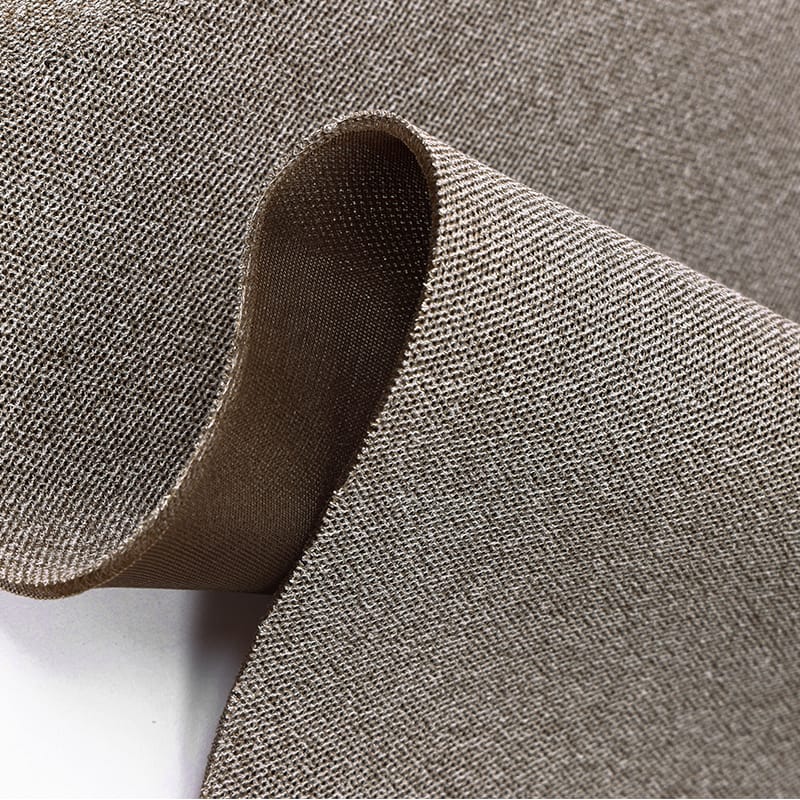
9022-TZ is a lightweight 3D spacer mesh fabric combining natural linen and Tencel with durable polyester. It is designed for brands that want a soft, breathable and eco-conscious story in their spacer mesh seat covers.
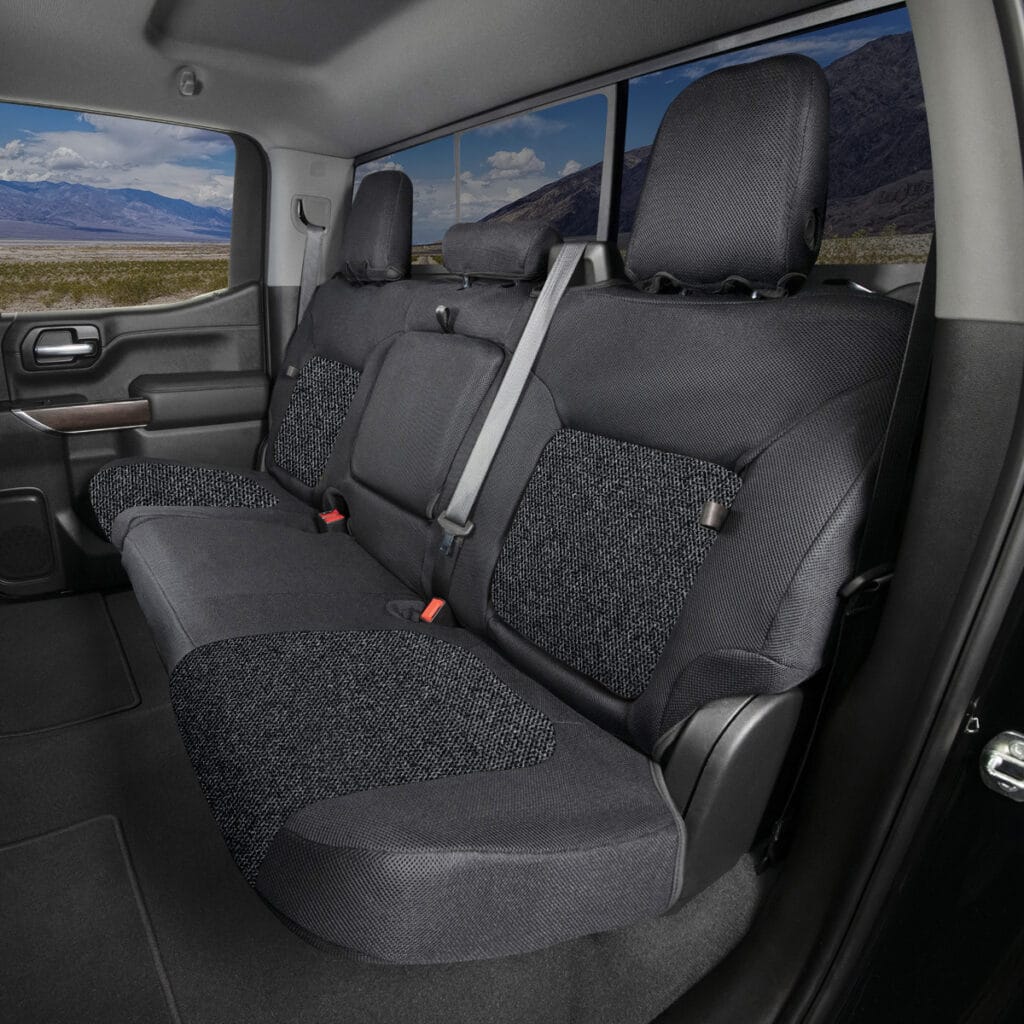
Key Advantages of 9022-TZ
Cool touch and moisture management
Linen and Tencel are well known for their moisture-wicking and quick-dry properties. Together with the internal 3D air layer, they help create a ventilated seat cover material that stays comfortable, even in warm climates.Natural look and soft hand-feel
The linen content adds a subtle, natural texture on the surface. This is ideal for designers who want a fabric that looks more refined than typical synthetic mesh, especially in minimalist or Scandinavian-inspired interiors.Wide width, efficient cutting
With a 2.3 m width, 9022-TZ allows efficient marker planning for large seat panels and continuous production. This helps reduce waste and improve cutting room efficiency.Custom colors for brand identity
We can match your brand’s palette for automotive, office or gaming collections. From calm neutrals to bold accent tones, 9022-TZ supports stable dyeing and bulk reproduction.
Use 9022-TZ when you want a premium, slightly lighter spacer mesh seat cover that tells a “natural and breathable” material story to your customers.
SF16-1: 3D Spacer Mesh with Airflow Channels and Massage Effect
Model: SF16-1
Width: 1.5 m
Weight: 790 gsm
SF16-1 is a heavy-duty 3D air mesh seat cushion fabric with a very pronounced 3D surface. The fabric has a checkerboard-like raised structure that forms clear air channels between the body and the seat.
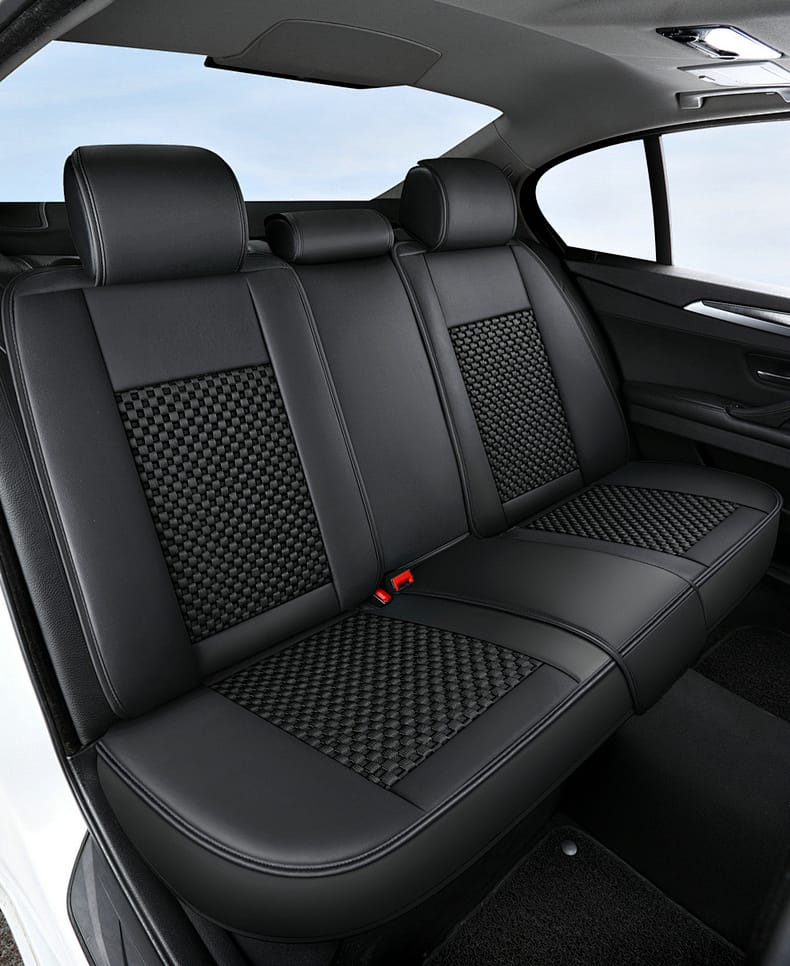
Key Advantages of SF16-1
Strong airflow through 3D channels
The deep, alternating high and low points create continuous pathways for air to move. This structure significantly improves ventilation and helps reduce heat build-up under the thighs and lower back.Gentle massage effect
The raised pattern provides micro-massage to the contact areas during motion. Drivers and gamers can feel subtle stimulation, which helps reduce pressure points and improves long-term sitting comfort. This makes SF16-1 a true massage seat cover fabric.Heavy-weight and supportive
At 790 gsm, SF16-1 has a solid, structured feel. It is ideal for high-load seating such as commercial vehicles, premium gaming chairs or ergonomic office chairs that need long-term shape stability.Durable spacer mesh textile
The dense 3D spacer construction is engineered for abrasion, compression and fatigue resistance. It maintains its loft and resilience even after long periods of use.
Choose SF16-1 when your project requires strong cushioning, a visible 3D pattern and a very robust spacer mesh seat cover solution.
Key Applications for Spacer Mesh Seat Covers
Both 9022-TZ and SF16-1 are suitable for a wide range of seating projects. Typical applications include:
Automotive seats and seat inserts
As automotive spacer mesh upholstery, these fabrics can be used on full seats or on localized zones such as backrests, seat centers or side supports.Office, task and ergonomic chairs
The breathable and supportive structure is perfect for long working hours. SF16-1 works well in seat pans, while 9022-TZ is ideal for backrests and headrests.Gaming chairs and simulator seats
Long gaming sessions generate heat and sweat. Spacer mesh seat covers help keep players cooler and more focused.Seat cushions and pads
Both fabrics can be combined with foam or used as standalone covers for portable seat cushions, stadium cushions or car seat pads.
Because of their stability and customizability, these fabrics are also suitable for rail seating, marine seating and other professional seating projects.
How We Support B2B Buyers
As a vertical manufacturer focused on spacer mesh and 3D knitted textiles, we understand the technical and commercial needs of B2B customers.
We can support you in several ways:
Sampling and color development – Lab dips and small yardage for design validation.
Technical data and testing – Support for air permeability, abrasion, compression and flammability testing according to your target market standards.
Custom finishing – Options such as backing, lamination or bonding with foam and non-woven layers if required.
Stable bulk supply – Consistent quality from pilot order to mass production, suitable for long-term seat programs.
With this support, your team can focus on seat design, ergonomics and branding, while we take care of the spacer mesh seat cover materials behind the scenes.
Conclusion: Build Cooler, Smarter Seats with Spacer Mesh
End users are asking for seats that stay cool, dry and comfortable over many hours of use. Traditional leather and PU materials alone can no longer meet these expectations.
By moving to spacer mesh seat covers built with fabrics like 9022-TZ and SF16-1, you can:
Improve thermal comfort and airflow
Enhance cushioning and pressure distribution
Offer a modern, technical design language
Share a clear material story with your customers
If you are developing new seating collections for automotive, office, gaming or simulator applications, we invite you to explore our spacer mesh seat cover solutions. Contact our team for swatches, technical data and development support, and let us help you create the next generation of breathable seating systems.