
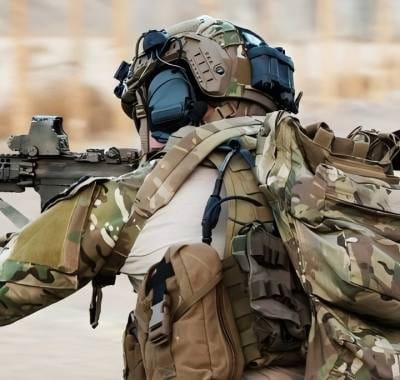
The Evolution of Tactical Vests and Plate Carriers: What Modern Consumers Demand
Modern tactical vests and plate carriers have transitioned from heavy, rigid systems to modular, ergonomic designs. End-users now require gear that maximizes mobility without compromising ballistic protection.
This operational shift dictates a stricter evaluation of the textiles utilized by manufacturers. Procurement teams must source materials that directly support sustained physical exertion in extreme environments.
Core Criterion 1: Heat Dissipation and Air Permeability
Plate carriers trap significant body heat during extended operational deployment. Sourcing managers must prioritize fabrics that facilitate rapid thermal exchange.
Effective inner lining materials require a specific structural void to function properly.
High porosity to allow continuous air circulation against the body.
Moisture-wicking properties to manage perspiration and reduce fatigue.
Multi-directional airflow channels to prevent localized heat accumulation.
Core Criterion 2: Compression Resistance and Load Distribution
Tactical vests often carry heavy ceramic plates, ammunition, and communication equipment. The fabric used in shoulder straps and body contact points must mitigate this concentrated pressure.
A superior padding material maintains its structural integrity under sustained weight.
Excellent compression recovery rate to prevent flattening over time.
Optimal thickness parameters to ensure mechanical shock absorption.
Resiliency to provide long-term ergonomic support for the wearer.
Core Criterion 3: Compliance, Eco-friendliness & Safety
Military and law enforcement procurement contracts often require strict compliance with textile safety standards. Procurement teams must verify supplier certifications before initiating bulk orders.
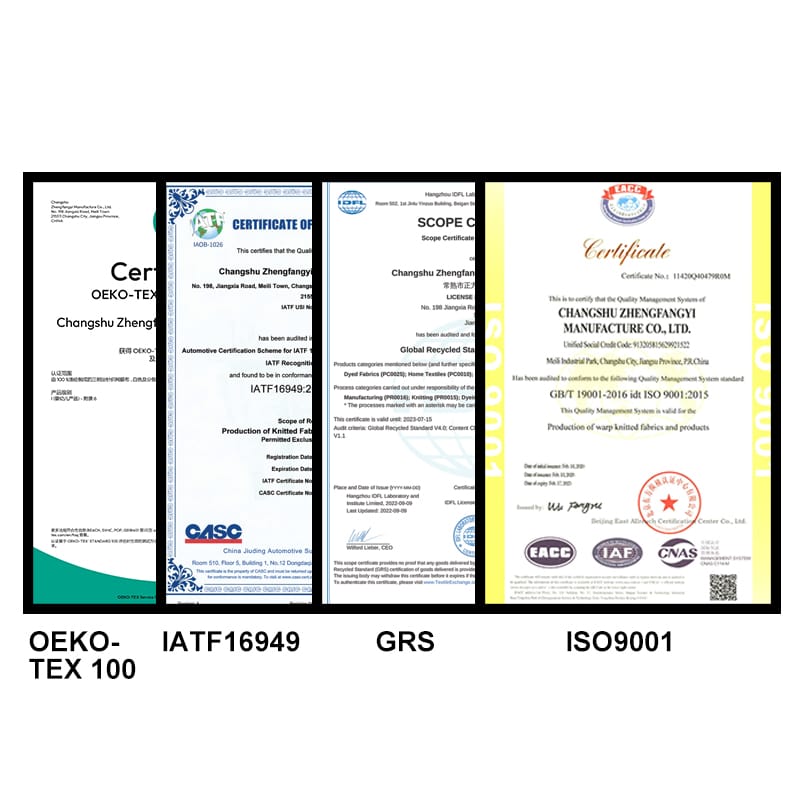
Key compliance metrics for modern tactical textiles include:
OEKO-TEX Standard 100 to ensure the absence of harmful substances.
Global Recycled Standard (GRS) for eco-friendly procurement initiatives.
The Optimal Choice: Why 3D Spacer Mesh Meets All Standards
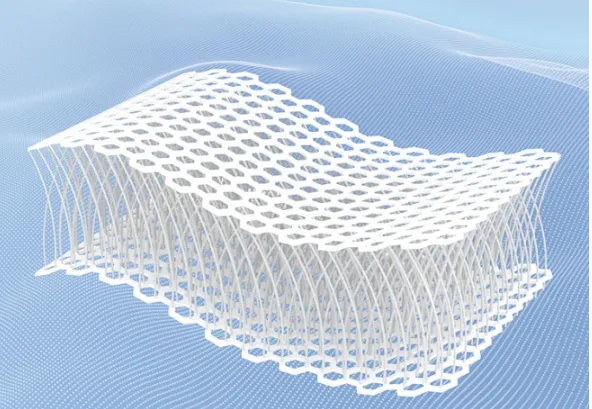
3D spacer mesh fabric represents the pinnacle of modern tactical upholstery and internal lining. This warp-knitted textile utilizes a top and bottom layer connected by resilient monofilament spacer yarns–X type.
This unique architecture inherently solves the heat and pressure challenges associated with plate carriers. It provides a stable microclimate for the wearer while acting as a reliable, lightweight shock absorber.
Deep Dive: The Technical Specifications of ZFY Tactical Mesh
ZFY Weaving engineers specific 3D spacer mesh variations for different tactical vest components. Our catalog explicitly addresses both load-bearing and body-contact requirements.
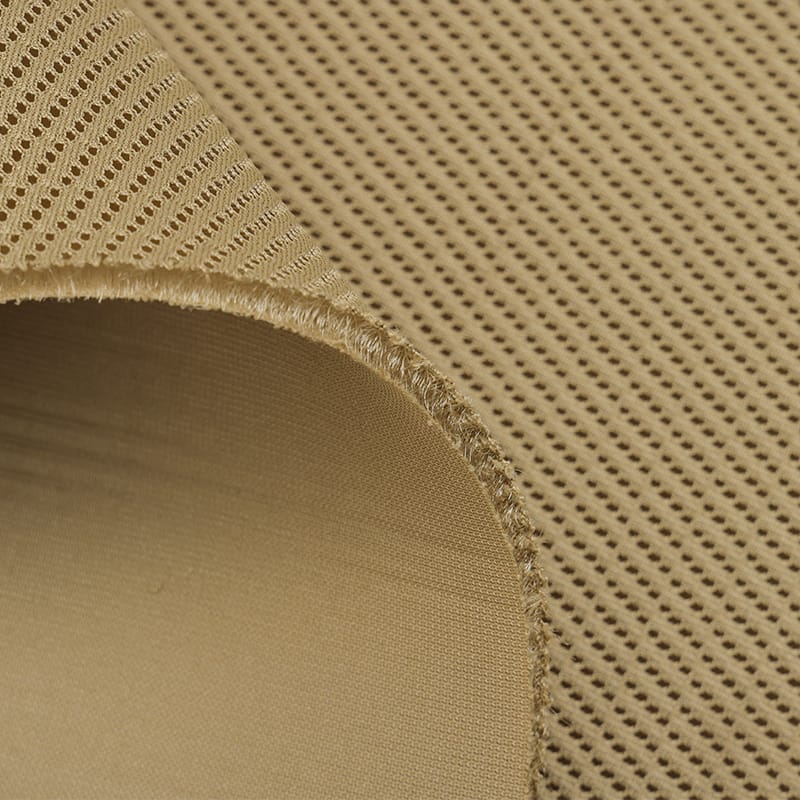
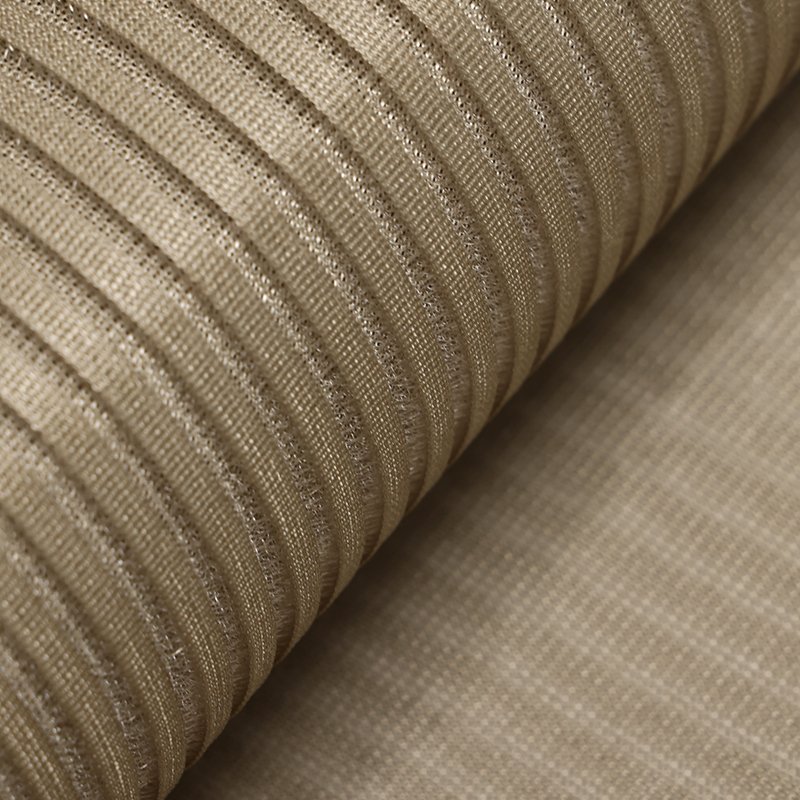
Inner Lining Solutions (Models W301 and 9406):
W301 Heavy Duty Mesh: 530GSM, high tear strength, engineered for abrasive internal tactical environments.
9406 Air Mesh: Unique three-dimensional stripe design on the surface is optimized for maximum skin-side breathability and continuous moisture management.
Structure: Hexagonal or diamond surface knitting to guarantee superior air permeability.
High Tenacity Yarn(Optional): Tensile strength can withstand a test standard of more than 1400N. Its tear strength reaches more than 50N, and its abrasion resistance test can exceed 60,000 revolutions. Even when equipped with heavy ballistic plates, the structure remains completely intact.


Shoulder Strap Padding Solutions (Model 8011-6):
8011-6 Mesh: Features a high-density monofilament support layer for heavy load distribution.
Maintains loft and cushioning under the maximum weight of fully loaded plate carriers.
Prevents strap friction and localized shoulder fatigue during prolonged field missions.
- We can also customize nylon monofilament for stronger support and a lighter overall weight.
Manufacturing Standard: How ZFY Weaving Ensures Consistency
ZFY Weaving operates as an advanced industry and trade integrated functional fabric manufacturer. Our production lines feature state-of-the-art German Karl Mayer double-needle bar warp knitting machines.
This advanced machinery guarantees precise yarn tension and uniform spacer heights across all production batches. Our internal quality control protocols include strict physical property testing.
Customization (OEM/ODM) & Supply Chain Stability
Tactical brands require scalable material solutions to meet fluctuating defense and civilian market demands. ZFY Weaving offers comprehensive OEM and ODM textile development tailored to your exact specifications.
We adjust thickness, weight, and colorways based on specific military requirements or brand identity.
Minimum Order Quantity (MOQ) flexibility to support custom tactical textile R&D.
Stable raw material sourcing to ensure reliable global production lead times.
- We also offer the following customized services: flame retardant treatment (FR), near-infrared reflection control (NIR Compliant), antibacterial and deodorizing , and quick-drying solution for water supply.
Conclusion: Elevate Your Tactical Vests with the Right Material
Selecting the appropriate 3D spacer mesh directly influences the performance and marketability of your tactical gear. Integrating engineered solutions like our W301, 9406, and 8011-6 meshes ensures optimal thermal regulation and load distribution.
Contact the ZFY engineering team to discuss your next plate carrier or tactical gear project. Request our free material samples, or a dedicated specification consultation today.
Click here to check more 3D Air Mesh fabrics.
Frequently Asked Questions (FAQ)
What is the minimum order quantity (MOQ) for custom 3D tactical mesh?
Our standard MOQ for in-stock colors is typically 500 meters. For custom pantone dyeing or specific OEM structural developments, the MOQ requires specific consultation with our engineering team.
How long is the lead time for bulk orders of W301 and 8011-6?
Standard production lead times for bulk mesh orders range from 15 to 20 days. Transit times will vary based on the selected global shipping method and destination.
Can ZFY Weaving provide infrared (IR) compliant or flame retardant (FR) treatments?
Yes, our integrated production facility can apply specialized post-treatments to meet specific military standards. Please specify your required FR or IR compliance levels during the initial technical consultation.