
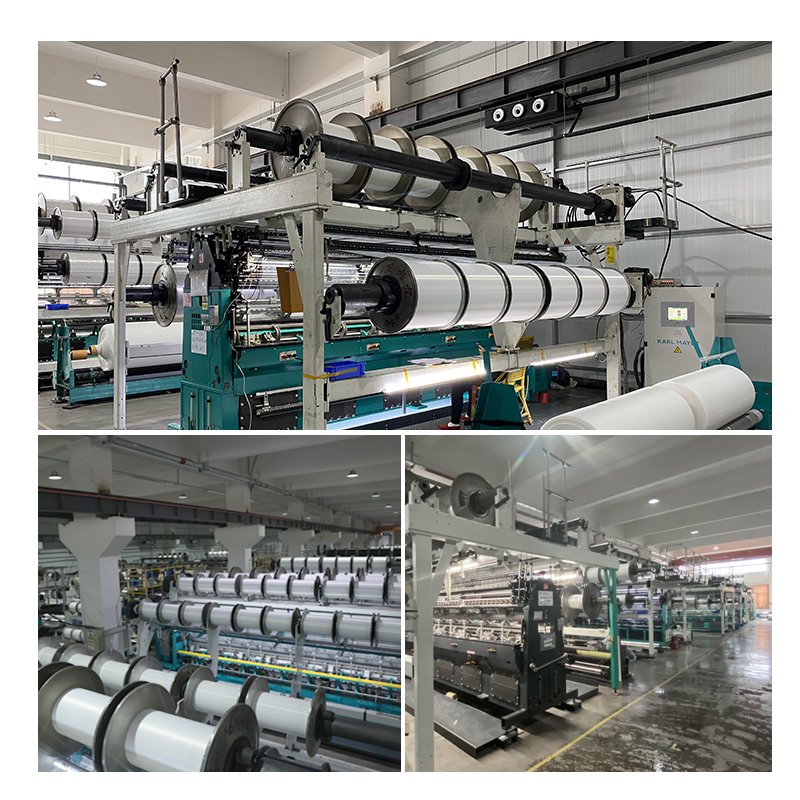
The global demand for high-performance activewear fabrics has undergone a tectonic shift. As consumers demand higher levels of breathability and sustainability, product managers at leading athletic brands are moving away from traditional foam-based materials. The S015 3D Spacer Mesh Fabric represents the pinnacle of this evolution. Engineered on German Karl Mayer RD6 warp-knitting machines, this 120gsm material serves as a high-performance alternative to traditional padding, offering unparalleled airflow and structural integrity. Whether you are developing a professional-grade sports bra or a lightweight running vest, understanding the technical nuances of functional fabrics like the S015 is critical for maintaining a competitive edge in the global activewear market.
The Evolution of Activewear Fabrics: Solving the Pain Points of Traditional Materials
For decades, the activewear industry relied on polyurethane (PU) foam and polyester wadding for structure and cushioning. However, these materials carry inherent engineering flaws. Traditional padding is prone to “clumping” and deformation after repeated wash cycles, leading to a loss of garment shape. Furthermore, these materials are often non-breathable, trapping heat and moisture against the athlete’s skin—a phenomenon known as the “insulation trap.”
Modern activewear fabrics must solve the paradox of providing structure without adding weight or restricting airflow. The industry is trending toward “Foam-Free” solutions. By replacing traditional wadding with a 3D mesh fabric, manufacturers can create garments that are 30% lighter and 50% more breathable. The S015 was specifically designed to address these B2B pain points, offering a stable, quick-dry, and eco-friendly alternative that meets the rigorous standards of global sportswear brands.
Understanding S015: The Engineering Logic of 3D Warp-Knitted Spacer Mesh
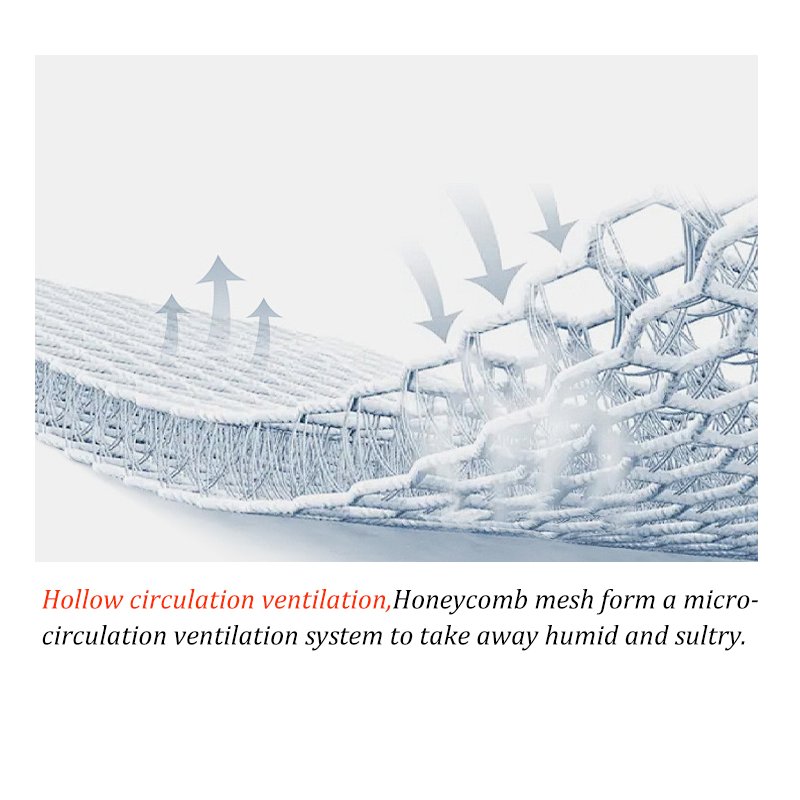
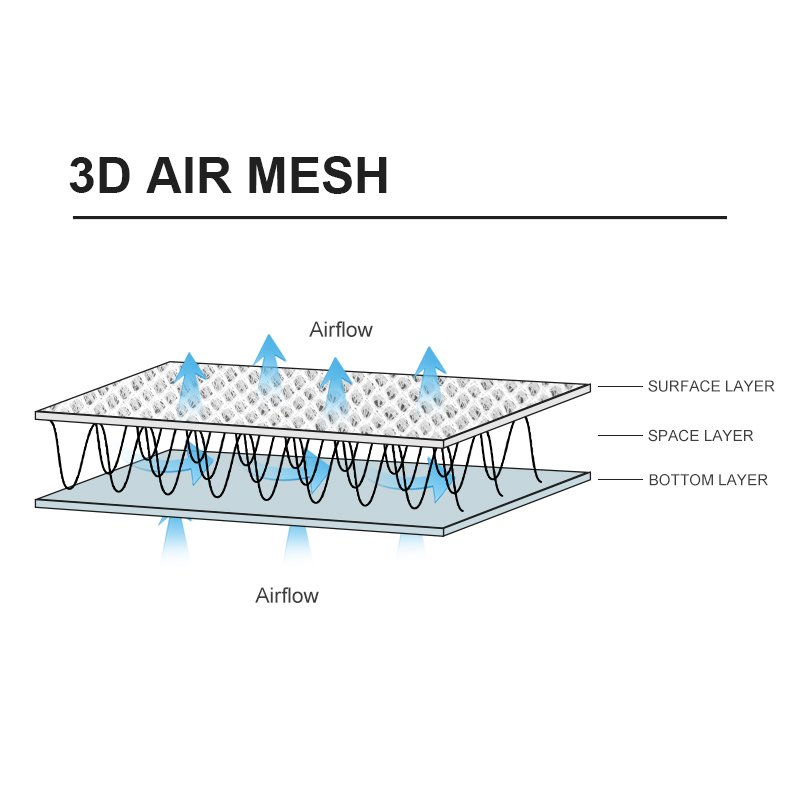
To understand why the S015 is a superior sports bra material, one must look at its architectural composition. Unlike traditional 2D fabrics, S015 is a 3D Warp Knitted Spacer fabric. It consists of two outer layers of high-tenacity yarn (a blend of 70% Nylon and 30% Polyester) connected by a vertical “micro-spacer” yarn layer.
This “sandwich” structure is created using the Karl Mayer machine, which allows for precise control over the distance between the top and bottom surfaces. This creates a permanent air chamber. The 70% Nylon content ensures a soft, silk-like handfeel against the skin, while the 30% Polyester provides the tensile strength required to prevent sagging. This engineering approach transforms a simple textile into a mechanical component capable of managing micro-climates within a garment.
S015 Technical Specification & Performance Data Sheet
For sourcing managers and textile engineers, data-driven decisions are paramount. Below is the comprehensive technical breakdown of the S015 spacer mesh.
| Technical Parameter | Value / Specification | Impact on End-Product Performance |
| Model Number | S015 | Industry-standard reference for lightweight spacer mesh |
| Composition | 70% Nylon + 30% Polyester | Optimal balance of skin-friendly softness and durability |
| Weight (gsm) | 120gsm (±5g) | Ultra-lightweight; ideal for linings and non-bulky padding |
| Standard Width | 150 cm (60 inches) | Maximizes cutting efficiency; reduces material waste |
| Structure | 3D Warp Knitted Spacer | Provides “compression recovery” and permanent airflow |
| Machine Type | Karl Mayer RD6 | Ensures mesh uniformity and high-speed production stability |
How 3D Structure Dictates Performance
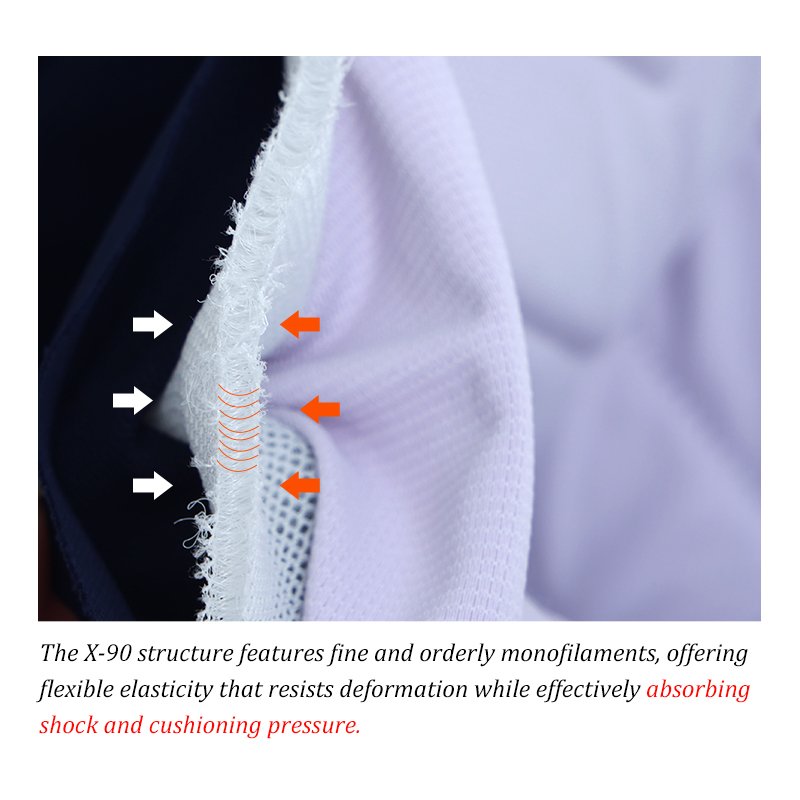
The performance of activewear fabrics is not accidental; it is a result of structural engineering. The S015 follows a strict “Structure → Performance → Experience” logic:
Vertical Connectivity (Structure): The vertical yarns act as thousands of micro-springs.
Compression Recovery (Performance): When pressure is applied (e.g., in a sports bra cup), the fabric compresses but immediately recovers its shape once released.
Shape Retention (Experience): Unlike foam, which cracks, or cotton, which deflates, S015 maintains the garment’s aesthetic integrity for 100+ wash cycles.
Furthermore, the “Open Cell” nature of the 3D mesh fabric allows for convective cooling. As the athlete moves, the fabric acts as a bellows, pumping hot air out and pulling cool air in. This thermal regulation is why S015 is categorized as a high-tier functional fabric for intense cardiovascular training.
Key Application Scenarios in High-Performance Activewear
The versatility of the S015 makes it a staple in various B2B manufacturing sectors.
1. High-Support Sports Bra Engineering
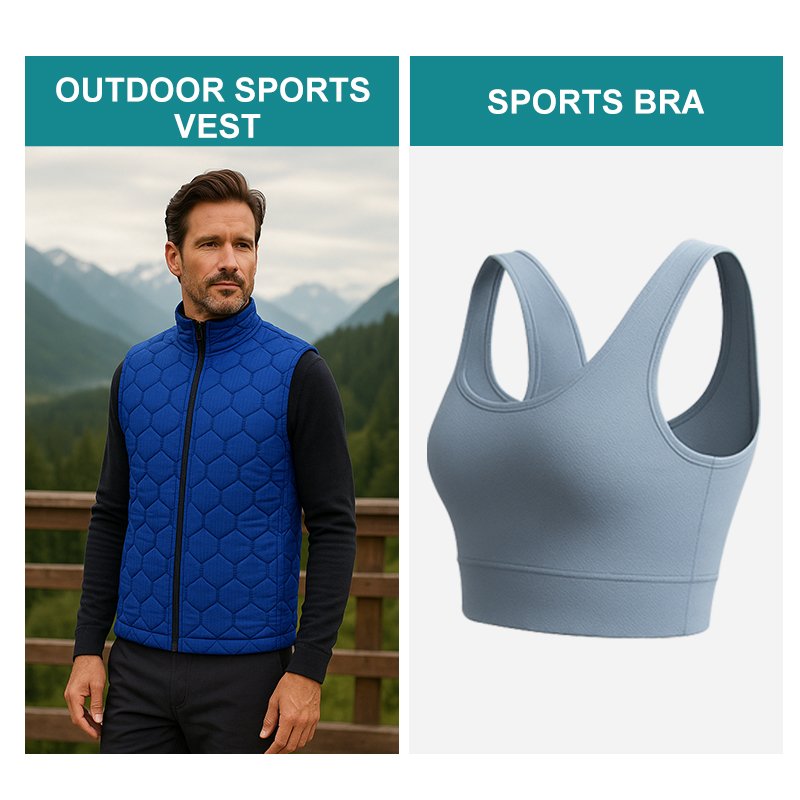
As a sports bra material, S015 is used in inner support panels and cup linings. It provides the necessary “lift” and “separation” without the suffocating heat of traditional padding. It is particularly effective in high-impact (Level 3) bras for running and HIIT.
2. Ventilation Paneling for Running & Gym Vests
In the construction of running tops, S015 is strategically placed in high-sweat zones (the center back and underarms). Its 120gsm weight ensures it doesn’t drag on the athlete, even when saturated with moisture.
3. Protective Lining for Compression Gear
In fitness wear designed for cross-training, the S015 provides a protective layer against barbell friction or floor contact, utilizing its spacer thickness to diffuse impact forces.
Material Benchmark: S015 vs. Traditional Alternatives
Choosing the right sports bra fabric requires a cost-benefit analysis against traditional materials.
| Feature | S015 3D Spacer Mesh | Traditional PU Foam | Polyester Wadding (Cotton) |
| Breathability | Excellent (Open 3D Core) | Poor (Closed Cell) | Moderate (Initial) |
| Weight (Wet) | Stays Light (Quick-dry) | Becomes Heavy | Becomes Heavy/Soggy |
| Durability | High (Shape Retentive) | Low (Yellows/Crumbles) | Low (Clumps/Deforms) |
| Skin Comfort | High (Nylon Blend) | Moderate | High |
| Sustainability | High (GRS Recyclable) | Low (Chemical Heavy) | Moderate |
| Washability | Machine Wash Safe | Hand Wash Recommended | Prone to deformation |
Why Certifications Matter for B2B Sourcing
In the North American and European markets, a fabric’s “Technical Pedigree” is as important as its price. The S015 is backed by:
GRS (Global Recycled Standard): Verification that the polyester content is sourced from post-consumer waste, helping your brand meet Net Zero targets.
OEKO-TEX Standard 100: Testing for over 100 harmful substances. For activewear fabrics that have prolonged skin contact, this is a non-negotiable requirement for consumer trust.
For a procurement officer, these certifications mitigate legal risks and enhance the “Trust” factor (the T in E-E-A-T) of your final product.
OEM Projects vs. Aftermarket Sourcing: Strategy for Growth
Whether you are a startup brand or a large-scale OEM factory, the S015 fits into different procurement strategies:
For OEM Manufacturers: We provide consistent, high-volume rolls with stable dyeing lots . Our supply chain is optimized for JIT (Just-In-Time) manufacturing.
For Brand Owners: We offer customization of the mesh hole size and “softness” (handfeel) to match your specific brand identity.
For Wholesalers: We support lower MOQs and rapid market testing.
The Future of "Active" Engineering with S015
The S015 120gsm Spacer Mesh Fabric is not just a lining; it is a performance-enhancing component. As the market for activewear fabrics moves toward lighter, more breathable, and more sustainable constructions, the S015 provides a future-proof solution for designers. By replacing outdated foam and cotton wadding with this 3D-engineered mesh, brands can deliver products that truly move with the athlete.
Are you ready to upgrade your activewear line? Whether you have questions about our GRS certification or need a custom weight variant, our B2B team is ready to assist.
[Email: [email protected]] | [Request a 3D Mesh Sample Kit]